Stopping the Crack: Dealing with Thermal Shock in Glass
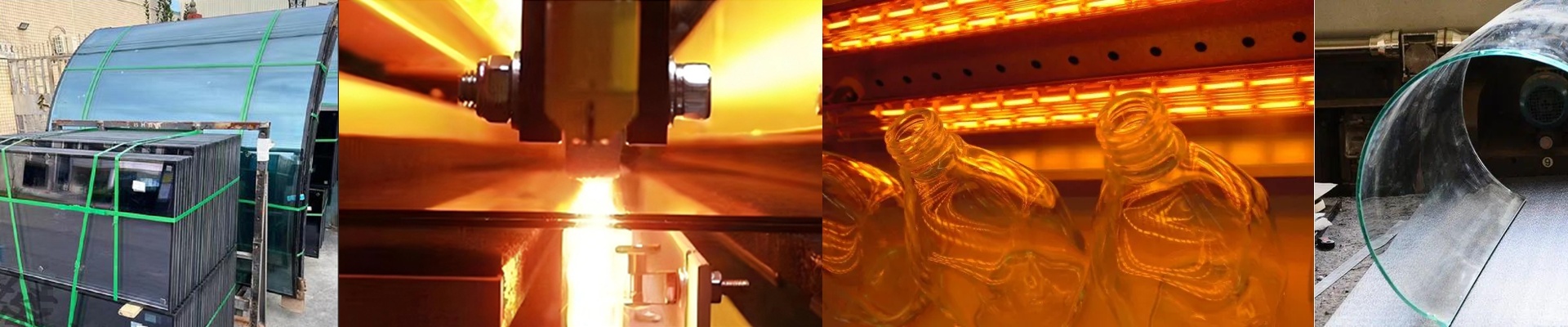
If you’ve ever worked in glass container production, you know the nightmare. You’ve just formed the glass, and as it moves toward annealing, it shatters. It’s frustrating. Usually, it happens because the temperature drops too fast or the heat hits the glass unevenly, leaving it stressed and fragile. To stop this, we lean on shortwave infrared (IR) heating. Why? Because it’s fast. Like, really fast. It gives us the kind of instant power control you need to keep the glass from freaking out when the temperature shifts. The trick to fast power Thermal shock is basically what happens when one part of the glass wall is way hotter than the other. To fix that, you need a heat source that can pivot in milliseconds. We use halogen-filled quartz tubes for this. Unlike those old-school resistive heaters that take forever to warm up, these lamps hit full blast almost instantly. We pair them with a thyristor or SCR controller so we can tweak the power on the fly. It lets us “soften” the heat, so the glass doesn’t just snap from the sudden expansion. The gear under the hood We build these elements with high-watt density filaments. This keeps the hardware compact but still packs a massive punch of heat. For the industrial lines, we stick with R7s or SK15 connectors. You don’t want your electrical contacts vibrating loose while the machine is humming along—that’s just asking for trouble. We also often coat the quartz envelope. This shifts the energy so it hits the glass surface directly instead of just wasting heat on the air around it. The trade-offs (The stuff they don’t always tell you) Here’s the thing: high-wattage IR lamps are precise, but they’re hungry. If you’re running 400V high-output tubes, your wiring and contactors need to be beefy enough to handle that initial surge of current. And please, keep an eye on your reflectors. If they get dusty or pitted, your heat distribution goes sideways. You’ll start seeing “cold spots” in your containers, and you’ll end up burning through lamps way faster than you should because the heat load is uneven. Keep them clean, and your gear will last much longer.