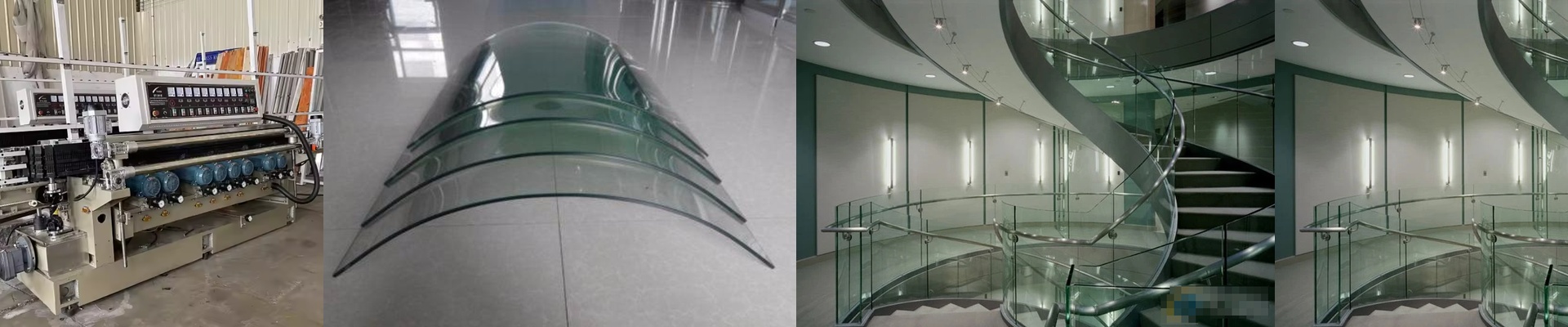
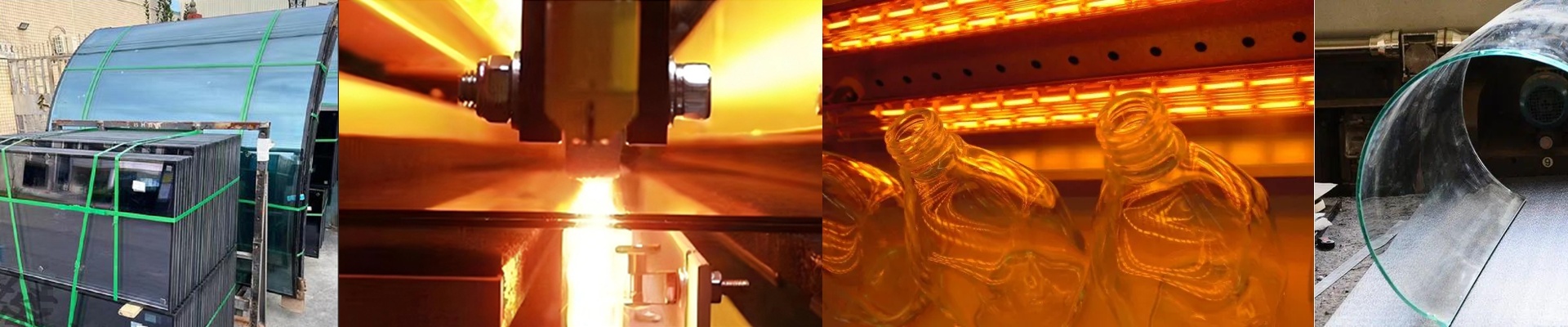
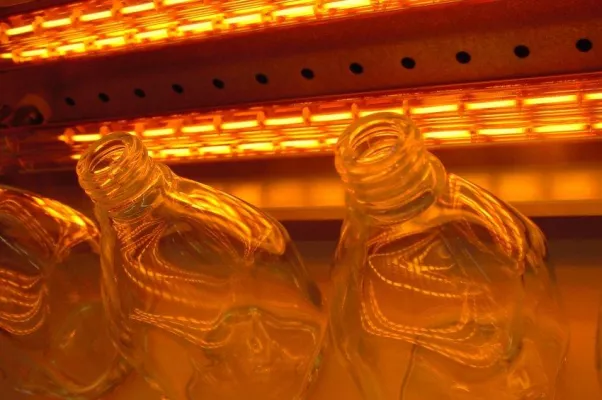
Cutting ultra-thick glass is a nightmare for your equipment. When you try to score a cold, heavy slab, the glass just fights back. It resists the blade, which means your cutter wheels wear out fast and you end up with those annoying chip-outs that ruin a piece. We handle this by using high-penetration infrared (IR) systems to soften the glass right where the wheel is about to hit. Here’s the thing: just heating the surface doesn’t do anything. thick glass is basically a giant heat sink—it just sucks the energy away from the score line. That’s why we use short-wave IR lamps. Instead of just warming the “skin” of the glass, these lamps push heat deep into the material. By targeting the exact path of the cut, we make the glass a bit more ductile. It’s less of a fight. The wheel glides in, and you get a clean fracture without having to force it. And your tools will thank you. When the glass is softened, there’s way less friction on your tungsten carbide or diamond wheels. You aren’t grinding against a brick wall anymore. It stops the wheels from burning out. Instead of swapping them out every few shifts, they actually last. It just takes the stress off the hardware. But you have to get the balance right. These lamps put out a lot of heat. If your belt is moving too slow or your timing is off, you can actually create too much thermal stress. That’s when you get “shivering” or random cracks where you don’t want them. You’ve got to nail the conveyor speed and the wattage so the heat stays exactly where it belongs. Plus, you’ll need decent ventilation, otherwise, those lamp housings are going to overheat pretty quickly.