Making Infrared Heat Safe for the Home
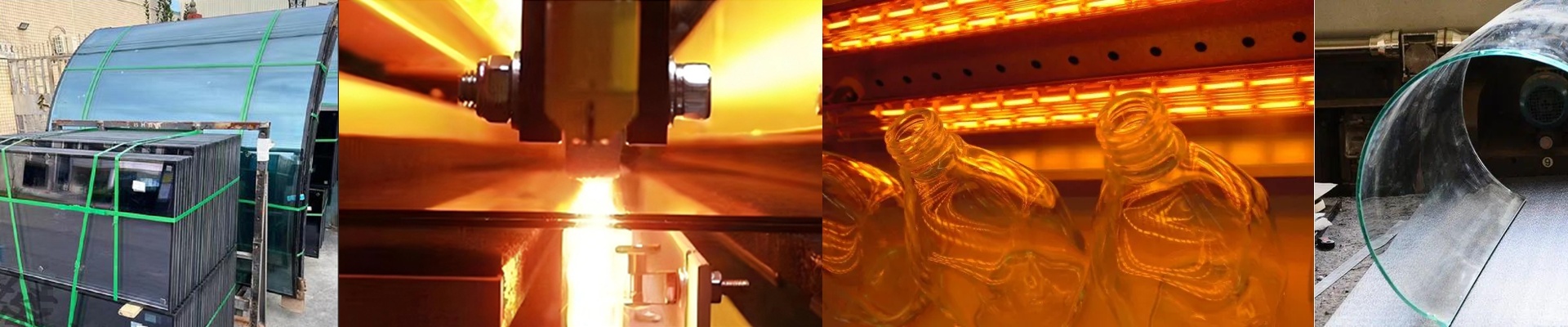
When we’re building infrared lamps for bathrooms—especially for those moments when you’re bathing a baby—the biggest headache isn’t actually the heat. It’s the light. Standard short-wave lamps can be way too intense. If you’ve ever looked at one, you know that harsh glare can really stress out your eyes. So, we have to change how the light behaves. Dealing with the glare We use special coatings or doped quartz glass to block out the nasty blue and UV wavelengths. Think of it like putting a pair of high-end sunglasses on the bulb. By narrowing that window, we push the energy into the mid-to-long wave range. The result? You get that deep, cozy warmth that sinks into the skin, but the light stays soft. No blinding flashes, just heat. The gear under the hood We usually go with high-wattage quartz tubes. Why quartz? Because it can go from ice-cold to scorching hot in seconds without cracking. We tune these lamps to hit a specific temperature so the heat travels via radiation. This is the cool part: you don’t need the air to move to feel warm. You just feel it instantly, like standing in the sun on a crisp autumn day. The trade-off Now, here’s the catch. Every time we add a coating to protect your eyes, we’re adding a tiny bit of resistance. You lose a small amount of raw heating power to make the lamp safe. It’s a fair trade. To make up for that lost efficiency, we just bump up the filament density or tweak the voltage. You still get all the warmth, but without the risk. Getting it installed If you’re putting these in, give them their own dedicated circuit and use a housing that can handle high heat. Since the heat is so concentrated, make sure the fixtures are vented. You don’t want your ceiling materials starting to scorch. And if it’s going in a steamy bathroom, double-check that the seals are IP-rated. You really don’t want moisture creeping into the electrical contacts.