
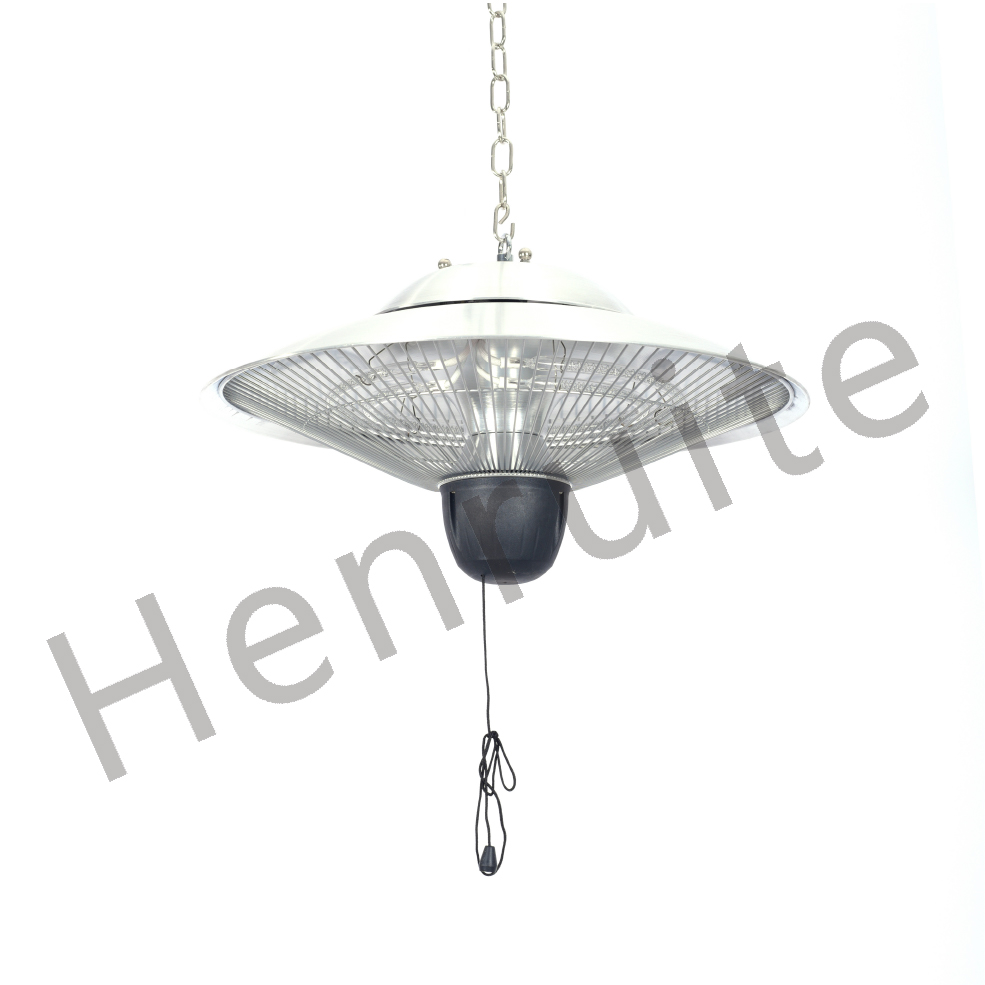
Engineering Rapid Warmth: The Real Deal Behind Waterproof Electric Patio Heaters
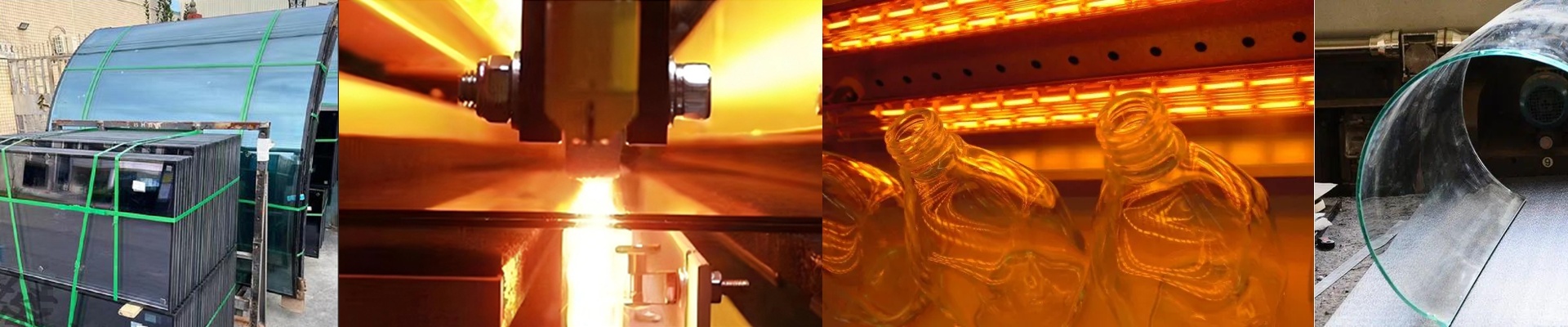
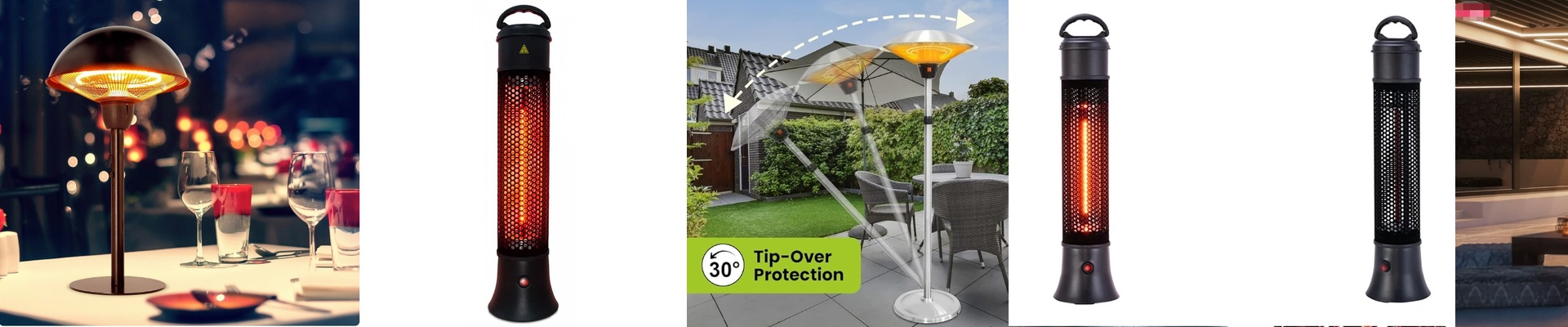
We built these electric patio heaters for places where you can’t afford to wait. Where “get warm now” isn’t a luxury—it’s the whole point. At the heart of it is the infrared halogen heating tube. It doesn’t just add a gentle glow. It turns a cold, open space into a comfortable spot in seconds. This isn’t about creating mood lighting. It’s about nailing one thing: delivering heat right where you need it, without wasting energy warming empty air.
Power, Voltage, and Size: The Fast-Response Formula
Here’s the secret: a lot of power packed into a small package. Our tubes run from 1000W to 2500W and plug straight into standard 220V or 240V circuits. That means you can wire them into what you already have, without overhauling your electrical system or buying expensive transformers. The tubes stay compact—usually between 300mm and 600mm. That keeps the watt-per-inch ratio high. And that concentration is what lets the heater throw serious infrared energy over a specific area, warming people and surfaces almost instantly.
What’s Inside: Halogen, Coating, and Connections
Inside the tube, the halogen cycle keeps the filament stable, even at extreme temperatures. So it doesn’t burn out early. The quartz envelope handles the shock of turning on at full power, every time. For outdoor use—or anywhere with moisture—we add a waterproof coating to the tube and seal the fixture gaskets. That keeps water out, so the electronics and the hot filament stay protected from shorts and corrosion. The R7s connector is the standard interface. It’s simple to wire, holds tight, and stays reliable even when things get shaky.
Real-World Use: Heat That Works, Rain or Shine
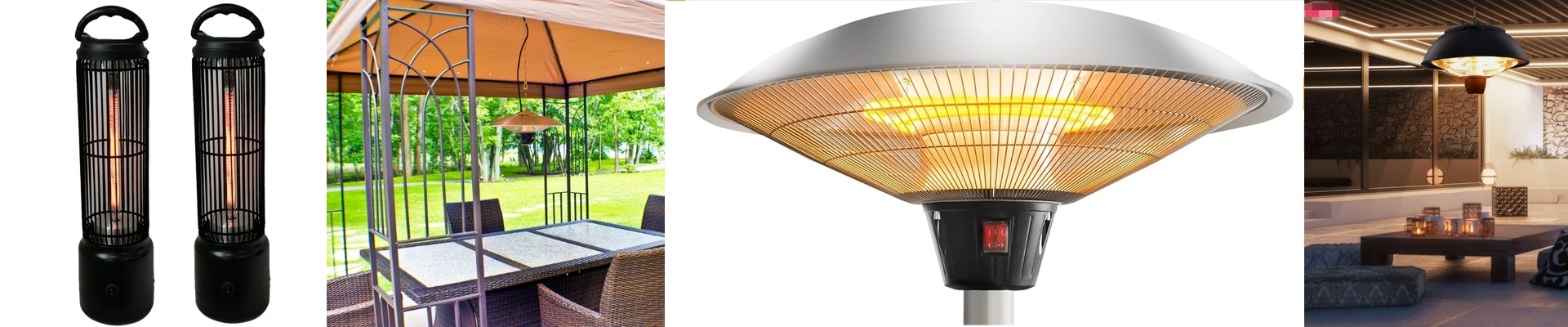
This setup solves a very practical problem: instant, localized heat in exposed spots. On a patio or in a change room, the infrared heater delivers warmth directly to people. No waiting. No wasted energy heating the air. And because it’s waterproof, it can handle weather without giving up. Rain, wind, humidity—you don’t have to baby it. Now, there is one thing to keep in mind: heat density. A 2500W tube puts out serious power, so you need to plan where you mount it and make sure nearby materials can handle the radiant energy. For engineers, it comes down to something solid: a spec-driven solution that installs quickly and runs hard when you need it.