
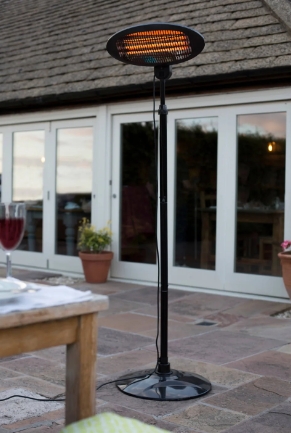
You know the drill—winter evenings aren’t ruined by the cold outside, they’re ruined by the patchy warmth inside. Feet freezing while the ceiling feels toasty. Cranking the thermostat just to get dry air and a shocking bill. With an indoor electric infrared heater, the difference usually comes down to one thing: where you hang it.
What actually matters under the hood
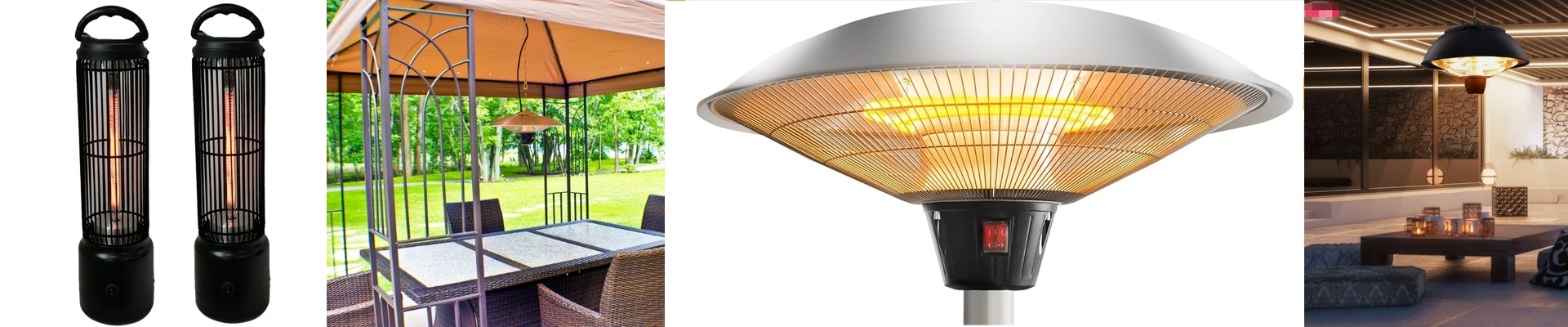
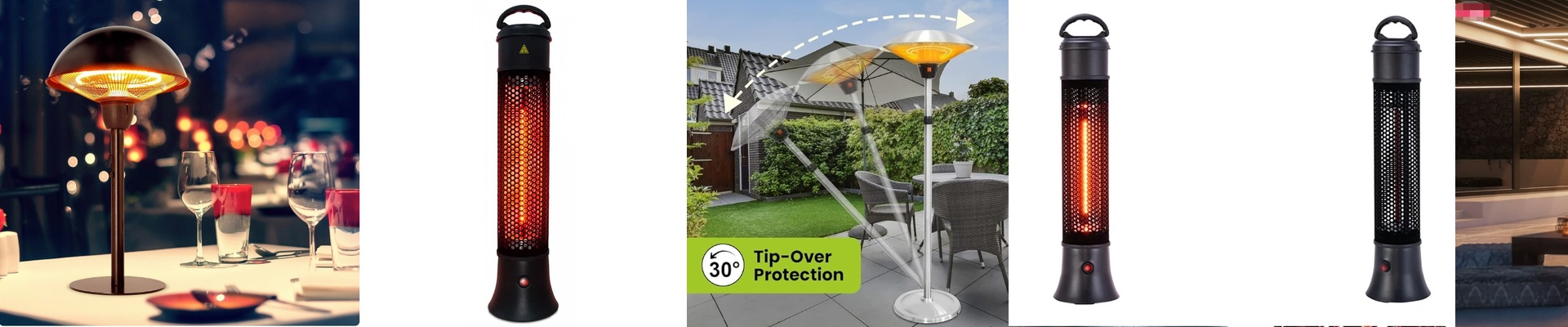
Infrared electric heaters throw radiant heat, warming people and objects directly instead of wasting time heating the air first. In the real world, that means faster comfort and less air movement—so less dust getting kicked around. The element choice makes a difference. Quartz tubes and carbon fiber elements are the workhorses here because they come up to temperature fast and hold steady infrared output. Mounting height changes how much heat actually lands on you. The higher the unit, the more the beam spreads out, and the more energy gets absorbed by walls and ceiling. For most living rooms and bedrooms,a mounting height around 6 to 8 feet (about 1.8 to 2.4 meters) is a solid baseline. In that range, aim the heater slightly down so the warmth lands where people sit and move.
Why this setup pays off
Get the height and angle right, and the infrared electric heater stops being a generic heat source and becomes a targeted comfort tool. You can run the main room temperature a few degrees lower and still feel cozy, which helps keep energy use in line. The payoff is comfort that holds steady—fewer drafty cold spots, fewer temperature swings, and a more consistent feel right where you read, work, or relax.
The practical details you can’t skip
Infrared warmth is directional, so placement matters more than it does with convection heaters. Clearance to combustible materials is non-negotiable, and you want the unit mounted away from high-traffic paths so nobody brushes against it. Most units run on standard household circuits, but double-check the wattage and outlet compatibility before you install. And here’s the part that surprises some folks: infrared heat feels immediate, but it won’t warm a room if no one is in the beam. Pair it with a thermostat or timer if you want control that matches how you actually use the space.