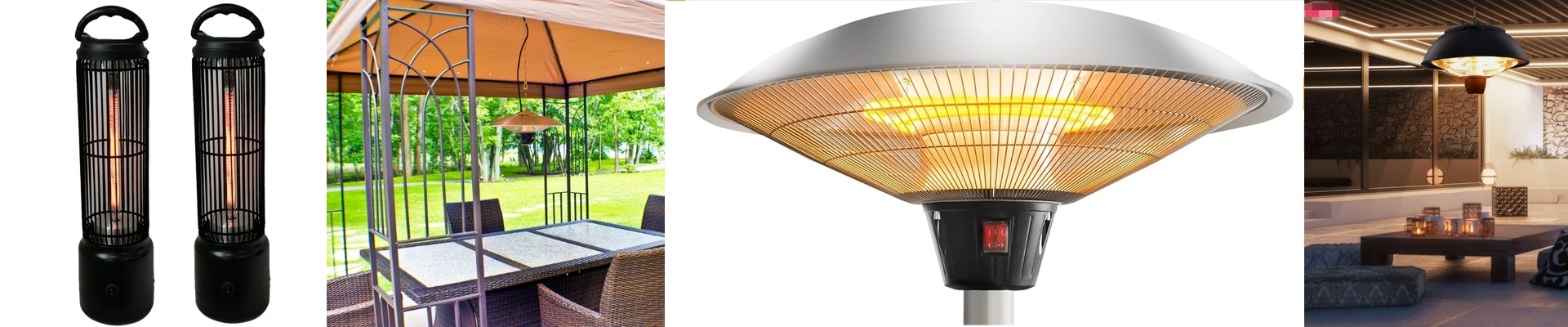
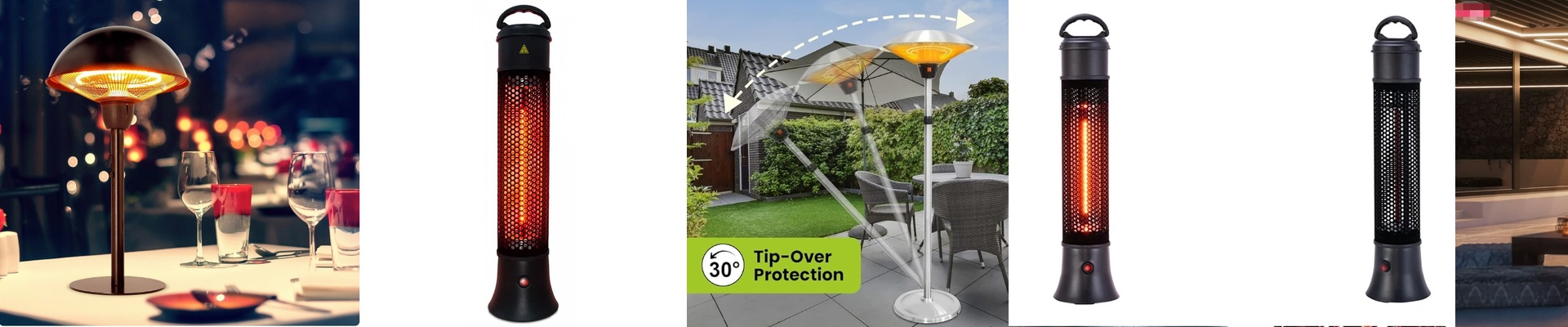

In a gallery, the wrong kind of heat doesn’t just feel off—it becomes a problem. Convection heat stirs up dust. Hot air climbs, leaving visitors chilly while putting delicate canvas and pigment at risk. We built our decorative infrared heaters to cut through that tension. Warmth that protects what matters. What’s really happening under the hood These units lean on radiant warmth from a quartz tube, sending heat forward the way sunlight does—warming people, floors, and nearby surfaces directly, without blowing air around. The payoff is even coverage with far less temperature swing. Many models run on 120V or 240V, pulling 1,500–3,000W, and you can pair them with a thermostat for steady, repeatable comfort. In practice, you set a stable background warmth and the heater responds quickly, without long recovery gaps. Why this fits galleries and museums These spaces need precise, localized heat that won’t endanger fragile materials. Infrared heat avoids drying out paint and wood, and it doesn’t create air currents that carry contaminants. The beam can be aimed to focus on visitor pathways, while cooler zones stay around display cases. For staff, that means fewer draft complaints, more predictable climate control, and energy use that stays focused on occupied areas. What to watch for Because infrared heats surfaces first, the floor and walls warm up faster than the air. That’s exactly what you want for comfort, but placement matters. Keep clearances clear, aim the beam to avoid direct glare on art, and confirm the unit’s IP rating matches the space—some versions are strictly indoor-only. When you choose and position it right, the heater quietly becomes part of the room, delivering warmth that feels natural and protection you can count on.