


Out on a cold garage floor, your tools sit ready, your project waits, and your hands wait with it. A heater that stalls—or quits mid-job—doesn’t just make you miserable. It kills your momentum. That’s why every infrared garage heater we build gets 100% full-power aging before it ever leaves the line.
What actually matters under the hood
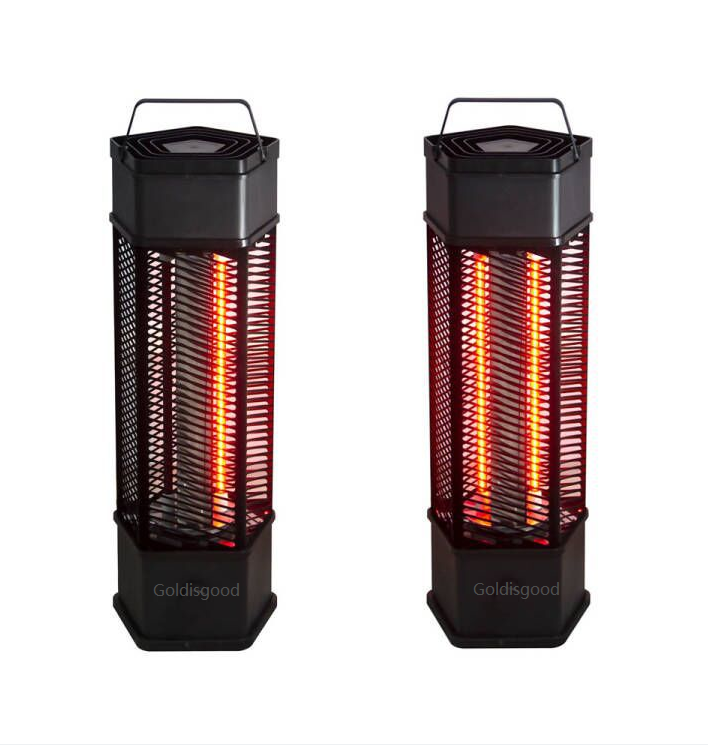
We lean on infrared radiant heat because it gets warmth where you need it—fast—and keeps it where you stand, not floating around you in the air. The core is a carbon fiber element inside a quartz tube, chosen for quick heat-up, even output, and long cycling life. The feel is directional and immediate—more like standing near a warm hearth than waiting on a forced-air system to “catch up.” Every unit is run at full rated power through a controlled load burn-in. That kind of stress test exposes early weaknesses that a quick bench check can miss: shaky solder joints, parts that drift under heat, and connections that only loosen when things get hot. Units that make it through leave the factory with stabilized performance. We watch failure rates closely, and the payoff shows up as fewer warranty returns and fewer on-site call-backs.
Why this approach works in a garage
A garage isn’t a living room. Doors open and close, the wind shifts, and the temperature can drop in minutes. With radiant heat, you still feel warmth even when the air is drafty, so you can keep working instead of waiting for the whole space to warm up. Add a thermostat and the heater cycles to hold the comfort level you set, so the space stays usable without you constantly chasing the dial. Because we burn-in every heater at full power, you get consistent output from day one—no surprises at startup, no weak performance when the mornings are at their worst. That dependability shows up in the little things: fingers that stay nimble, and attention that stays on the task.
What you need to know up front
Infrared garage heaters do their best work when aimed at the work area and installed with the clearance to combustibles called out in the manual. Most models need a dedicated outlet, and depending on wattage, you may need a 240V circuit to get full performance. Expect the quartz tube to run very hot—that’s normal—and keep the heater out of reach of kids and pets. For the best results, size the heater to your garage volume and how well the space is insulated.