
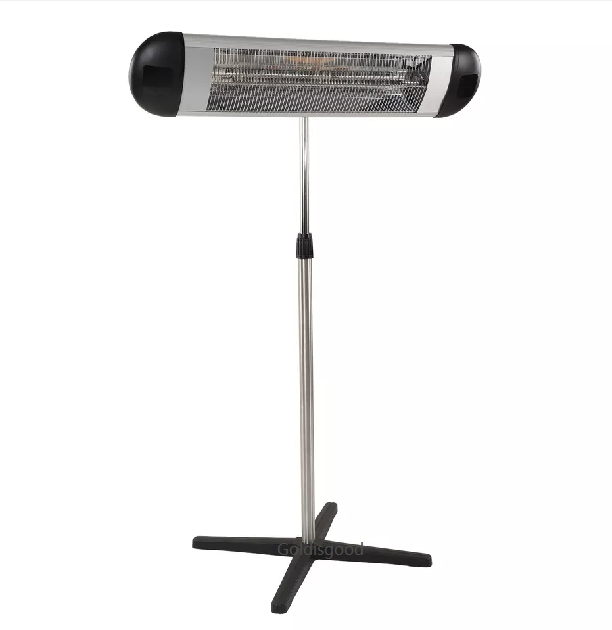
Basement air has a way of turning comfort into a trade-off. It’s damp, it clings, and conventional heat can feel sluggish—leaving walls cold and floors uninviting. When the space won’t warm up, you start avoiding it. Storage becomes a pass-through instead of a room you actually want to use.
What matters, technically
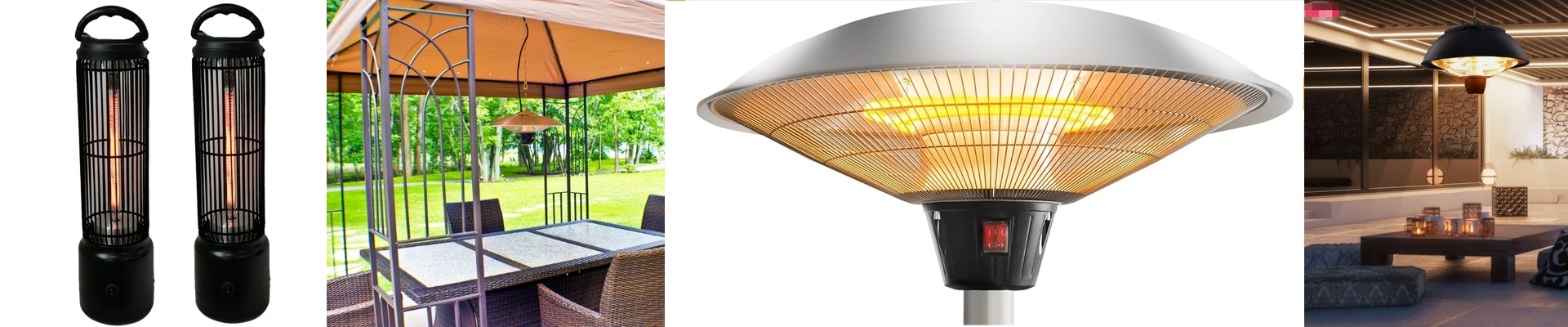
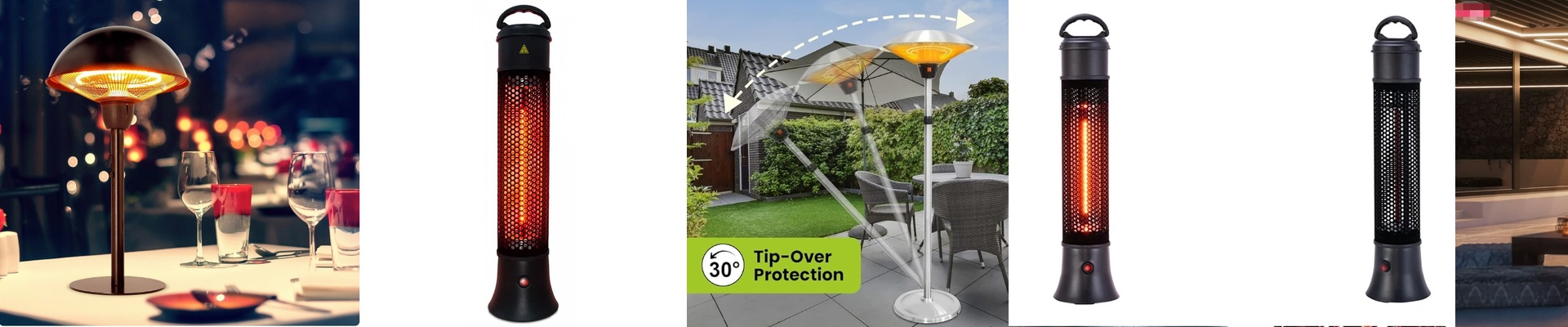
We built this wall-mounted infrared space heater around radiant warmth. It sends heat outward and warms people and surfaces directly, instead of pushing air around. The ETL listing means the unit meets recognized North American safety standards, so you can run it with confidence. Inside, a low-power infrared element delivers immediate warmth with a focused, quiet output. Efficiency comes from targeting the occupants first—so you feel comfort sooner, without heating the entire volume of air.
Why it works in a basement
Basement comfort falls apart when the room feels wet and the heat feels distant. Radiant infrared changes that feel. You sense the warmth almost as soon as the unit is on, and because it’s radiant, it doesn’t stir up drafts that can make a clammy room feel worse. The wall-mounted footprint keeps floor space clear, and the low power draw supports steady use without spiking demand. The payoff is a space that feels drier and cozier at the same time—more finished living area, less chilly utility zone.
Things to know before you run it
Here’s the reality: basements tend to have uneven airflow and a lot of cool surfaces, so even the best electric heater won’t solve every moisture issue. For best results, pair the heater with good ventilation, and run a dehumidifier if condensation keeps coming back. Installation is straightforward, but it needs a dedicated circuit and proper mounting to a wall that can handle the weight and wiring. Keep the unit clear of obstructions and follow the clearance distances in the manual. That one step protects both performance and safety, so the warmth stays reliable, season after season.