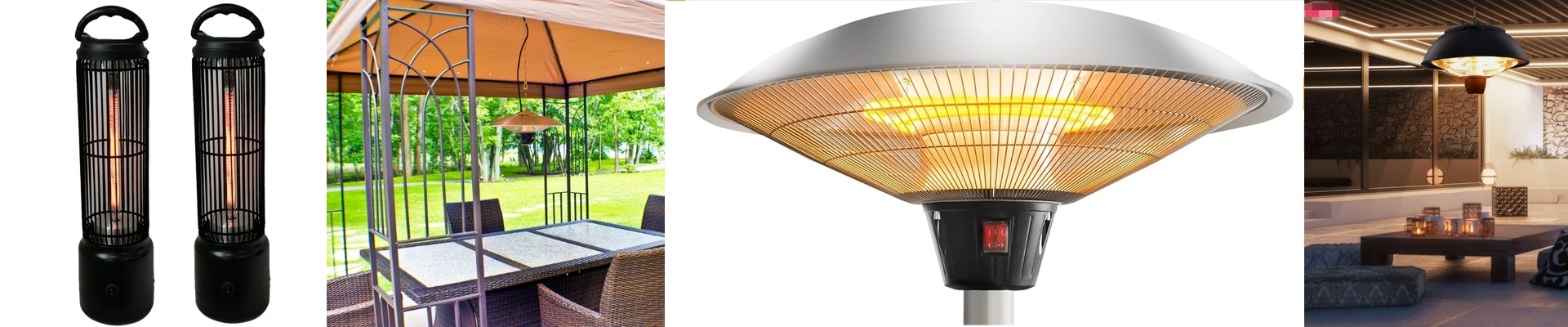
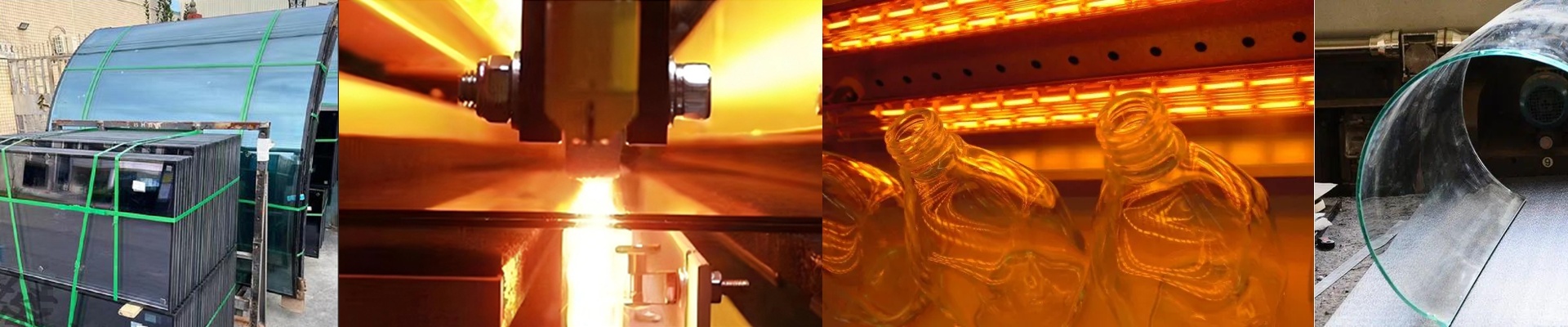
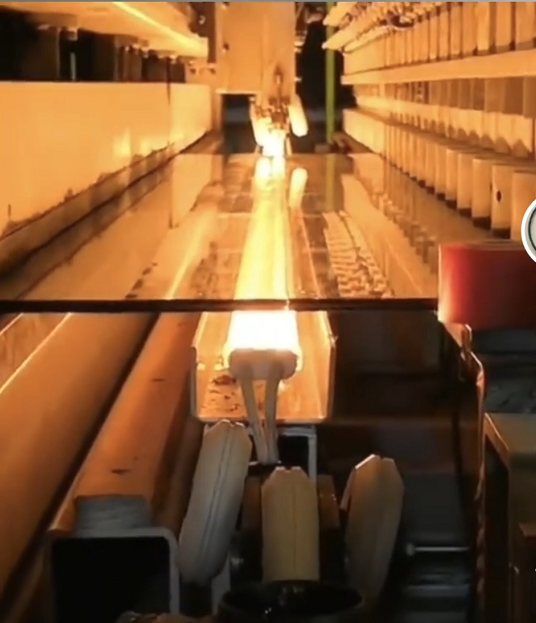
Trying to cut ultra-thick glass is a nightmare for your equipment. When you’re scoring cold, thick slabs, that cutting wheel is taking a massive beating. You can almost feel the strain. The result? Constant chipping and a never-ending cycle of replacing tools. We found a better way. We use shortwave infrared (IR) lamps to hit the cutting path right where it counts. Here is the thing about thick glass: standard heating is useless. The heat just sits on the surface and doesn’t go anywhere. But shortwave IR is different. It actually sinks deep into the glass. By focusing that energy right on the score line, you warm up the material just enough to relax those internal stresses. You’re not trying to melt the glass—that would be a disaster. You’re just making it “softer” so the wheel doesn’t have to fight so hard to get through. Now, setting this up takes a bit of finesse. We usually put these lamps in an array right in front of the cutting head. You’ll need high-wattage quartz tubes to get the heat density you need, but there’s a catch. Those tubes put off a ton of ambient heat. If your cooling system isn’t up to the task, you might fry your CNC electronics or cook the bearings in your cutting head. To stop that from happening, we use focused reflectors. It keeps the energy on the glass and away from your expensive machinery. The difference in tool life is huge. When the path is warmed up, the wheel just glides. That annoying microscopic “jumping” you get with cold cuts? Gone. You’ll notice way less wear on your wheels and the breaks look clean, not jagged. It turns a brutal, high-friction struggle into something that feels controlled. Just make sure you use a precise PID controller. You want the glass warm, not scorching, otherwise you’ll end up with thermal stress fractures.