Stop Buying Lamps. Start Buying Results.
Buying a single quartz heating lamp is easy. It’s a commodity. You find the specs, you hit buy, and you’re done. But actually getting those lamps to work inside a production line? That’s where things get messy. Most of the time, we see engineers start by picking out a lamp based on wattage and length. That makes sense on paper. But once you try to build a full heating array, you realize the real cost isn’t the lamp—it’s the headache. The hours spent wiring, mounting, and obsessing over the alignment of every single tube. It’s a slog that eats your budget and your time. That’s why we stopped just selling parts and started building modules.
The Magic is in the Bend
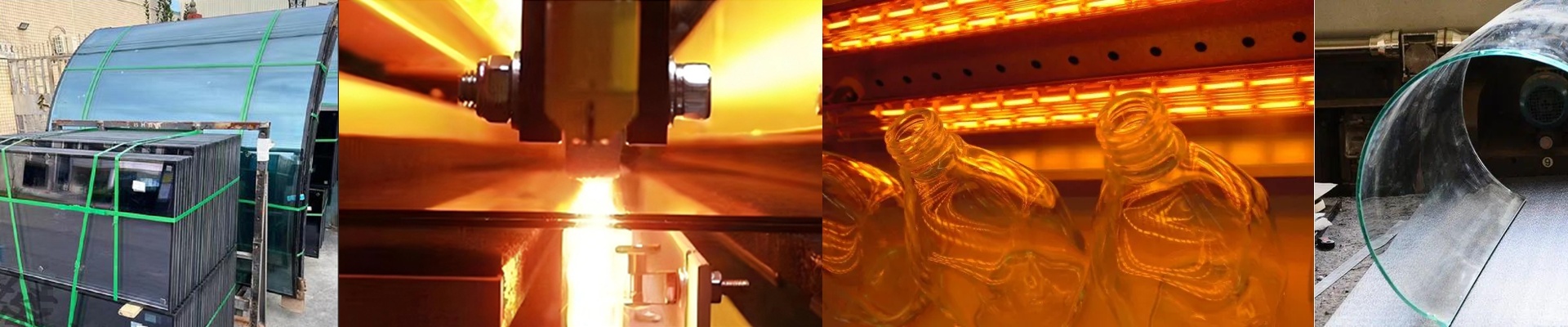
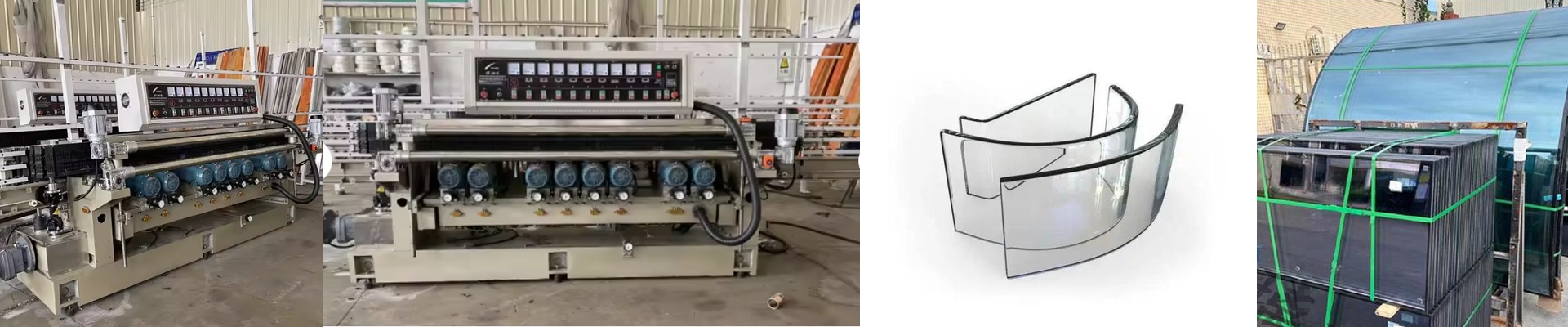
We handle the hard stuff. We bend the quartz and set up the reflectors before the unit ever hits your floor. You get a turnkey module that just plugs into your power rail and starts working. No guesswork. Here’s the thing about quartz: it’s incredible for high heat and IR transmission, but it’s finicky. If a curve is off by just a few millimeters, you get cold spots. Your workpiece doesn’t heat evenly, and suddenly you’re chasing a problem you can’t quite see. We nail the geometry so the heat hits exactly where it needs to.
A Word of Caution on Heat
High-wattage lamps put out a massive amount of energy. It’s great for getting up to temperature fast, but it creates a lot of “heat soak” around the housing. If your airflow isn’t dialed in, you’re asking for trouble. You risk warping your frame or frying your connectors. It’s a common trap, but one that’s easy to avoid if you plan for the ambient heat from the start.
Less Time Fiddling, More Time Producing
Think about your shop floor. Do you really want your technicians spending their day manually fitting fragile lamps into brackets? It’s tedious work, and one slip of the hand means a broken tube and a halted line. We bundle the wiring, the shielding, and the mounting hardware into one unit. It turns a stressful assembly project into a simple mechanical swap. You stop managing a long list of tiny parts and start focusing on the actual thermal process. It’s just easier.