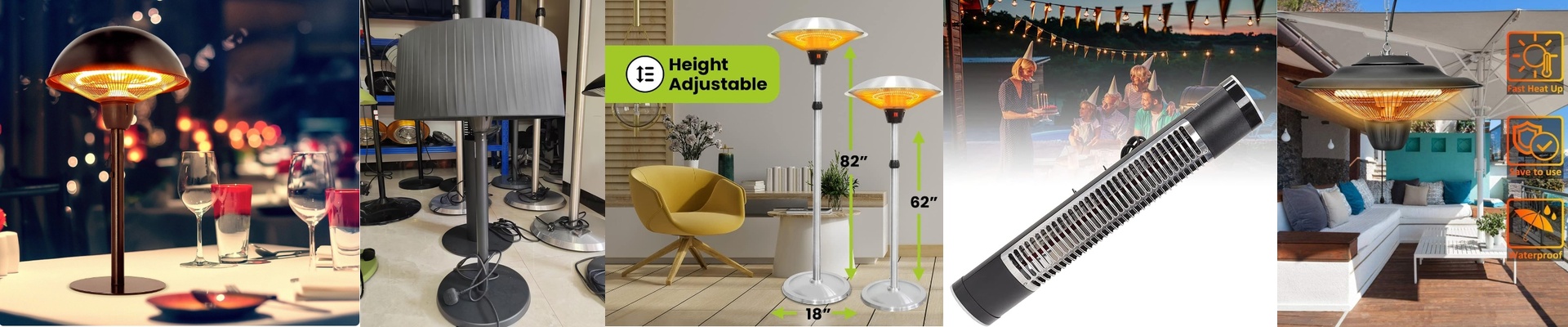
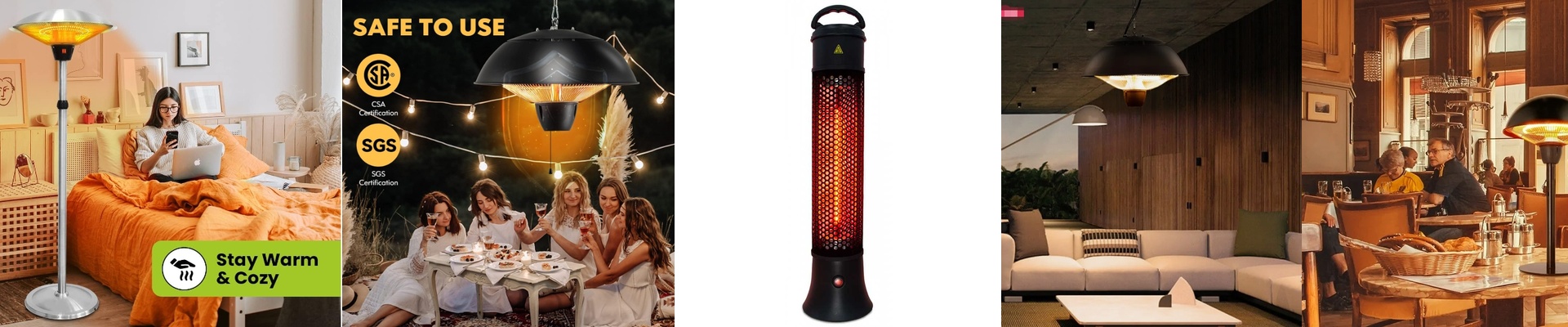
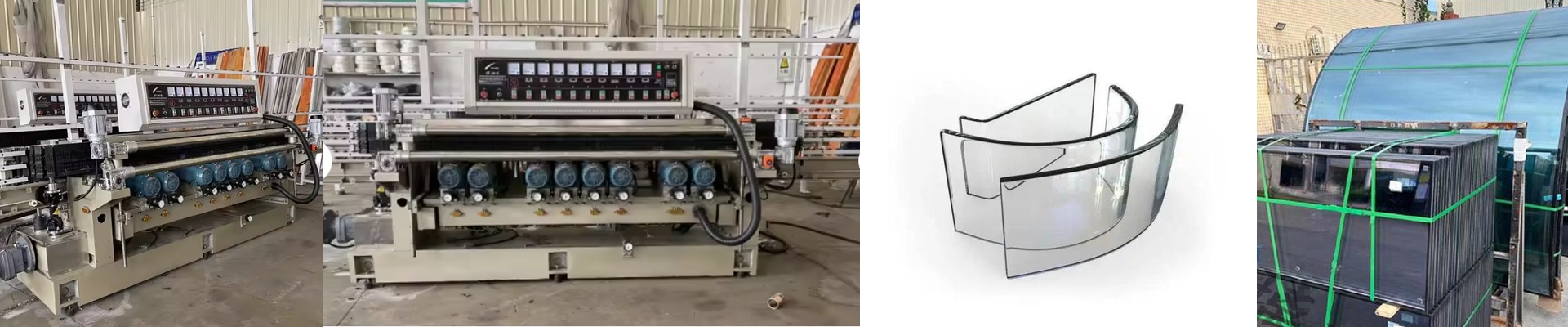
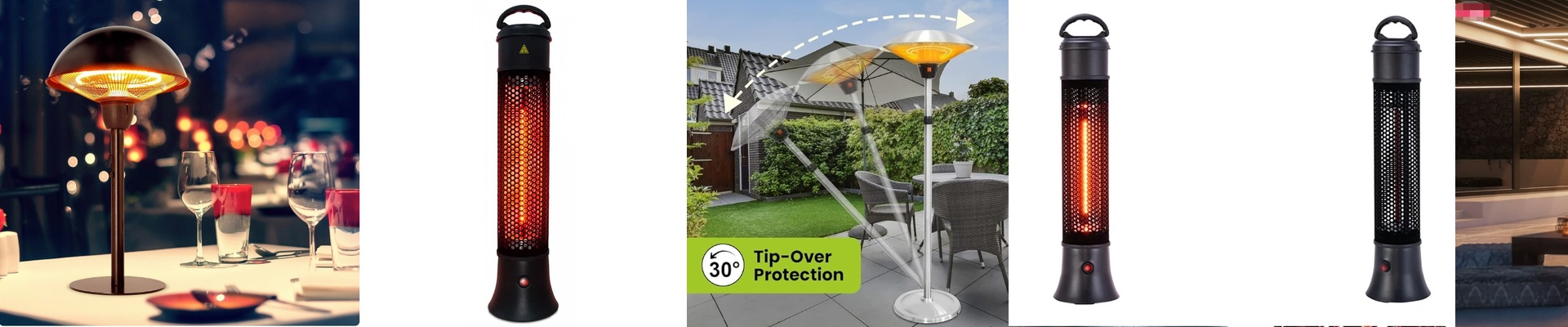
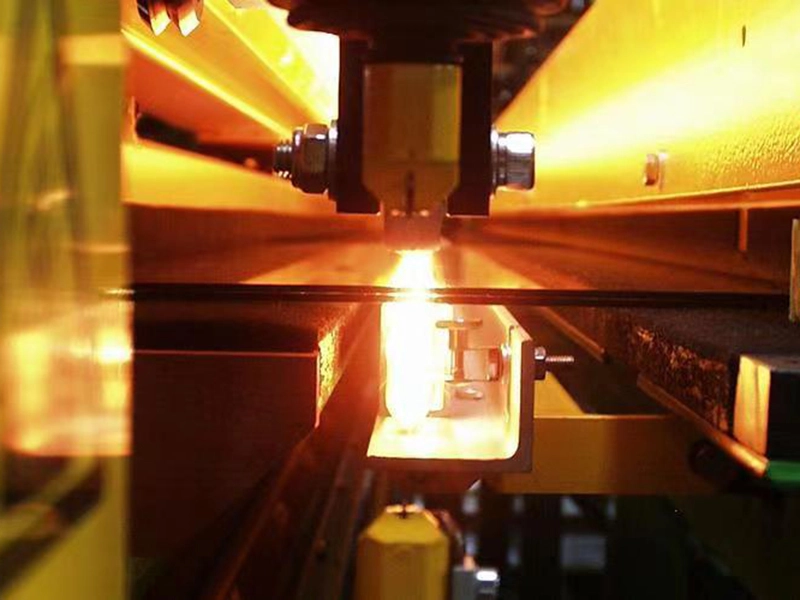
On the glass shop floor, a blowpipe heater lamp that can’t keep up makes itself obvious fast. You see uneven temperature across the work, heating times drag out, and scrap jumps from thermal stress fractures. We built our blowpipe heater lamp for the tight spots—tempering, bending, and hand-forming—so you hit setpoint fast and stay on it.
What matters under the hood
It runs on short-wave infrared with quartz elements, so response is quick and control is tight right at the glass surface. The output is tuned for industrial duty, delivering stable radiant heat that penetrates fast without leaning too hard on convection. The lamp body is built to take repeated thermal cycling, and the connections are spec’d for high-temperature stability—less drift, fewer hot spots. You get consistent emissivity behavior across the heating zone, which means your temperature profile stays repeatable, shift after shift.
Why it plays well in real production
In practice, that translates to shorter heating windows and fewer rejects. The thermal field is more uniform, so stress buildup drops and first-pass yield climbs. Energy use comes down because the lamp reaches and holds temperature with minimal overshoot—less idle power, less peak demand. Maintenance gets easier, too: fewer replacements, less downtime, and element life you can plan around. The upshot is lower kWh per part, higher throughput, and a clear cut in maintenance cost.
The practical details that matter
Installation is straightforward, but alignment is where you earn it. Make sure the heating zone matches the blowpipe path, and keep the reflectors clean so the heat distribution stays where you want it. Plan on a short warm-up after a cold start, and account for thermal expansion in the mounting. For the best results, match lamp power to your glass thickness and cycle time—oversizing can push the glass too fast, and undersizing just stretches the cycle. Run a quick validation to lock in the setpoint window that minimizes waste and keeps output stable.