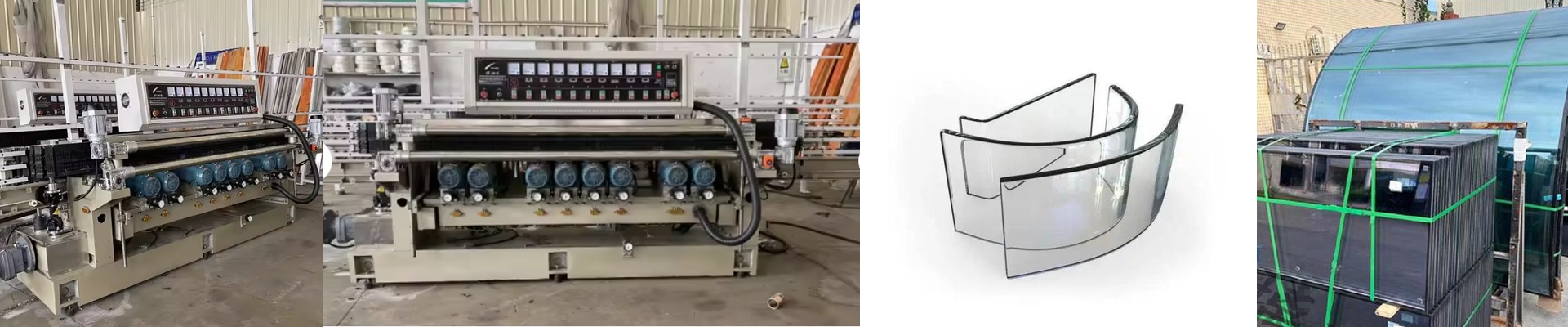
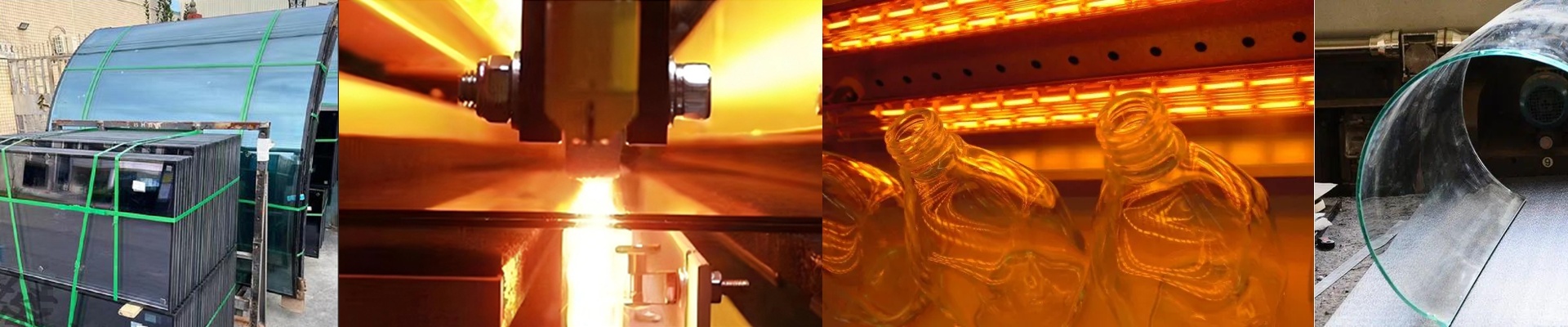
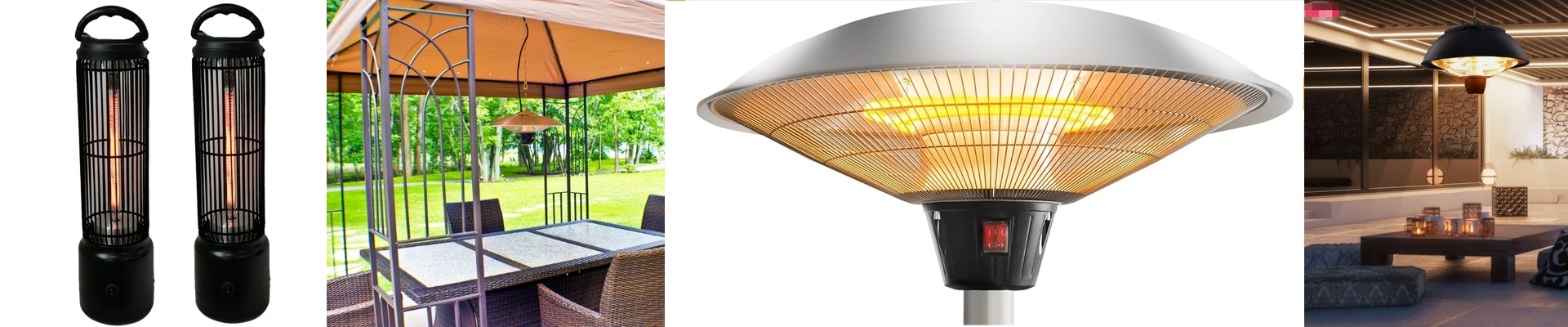
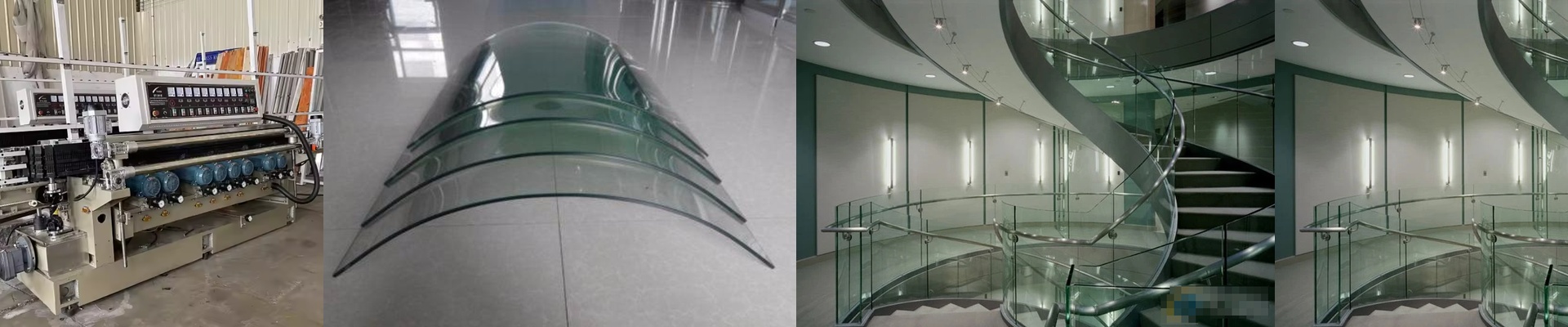
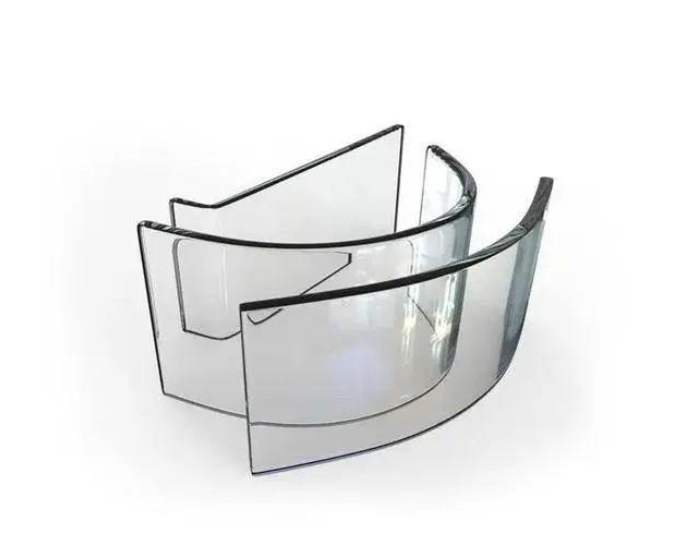
On the sagging line, the furnace doesn’t gently form geometry—it forces it. If the thermal field drifts, you’re staring down optical distortion, edge set, or worse: spontaneous breakage after bending. That’s why the heater module is more than a heat source. It’s the control instrument that keeps the sagging process honest. We build our glass sagging furnace heaters around near-infrared (NIR) quartz elements. They respond fast and pack serious power density without a lot of mass. The payoff is a tight, repeatable thermal profile across the load face, so the glass hits target temperature quickly and evenly. Soak time drops. Cycle time comes down. Glass stress stays inside the window that lets you deform it in control. On the floor, that means fewer rejects from uneven sag and curvature that holds steady from batch to batch. Here’s the practical part: sagging furnaces need fast ramp-up and a rock-solid hold. NIR delivers both, with minimal convection disturbance and lower energy draw per cycle than the older, heavier systems. The heaters can be configured as direct replacements for many OEM footprints, so you can upgrade without tearing the furnace chamber apart. You get higher throughput with less thermal lag, and the kWh per part falls because the element turns on fast, holds steady, and shuts down clean. Installation is straightforward, but you can’t rush it. These heaters run hot, and quartz elements don’t like mechanical shock or localized contact. Clearances have to be right. Mounting fixtures need to be proper. Electrical terminations have to be clean—no exceptions. Plan for consistent airflow, add shielding where it’s needed, and make sure your control strategy can keep up with the fast response. PID tuning matters. Treat the heater like the process instrument it is, and it pays you back in yield and uptime.