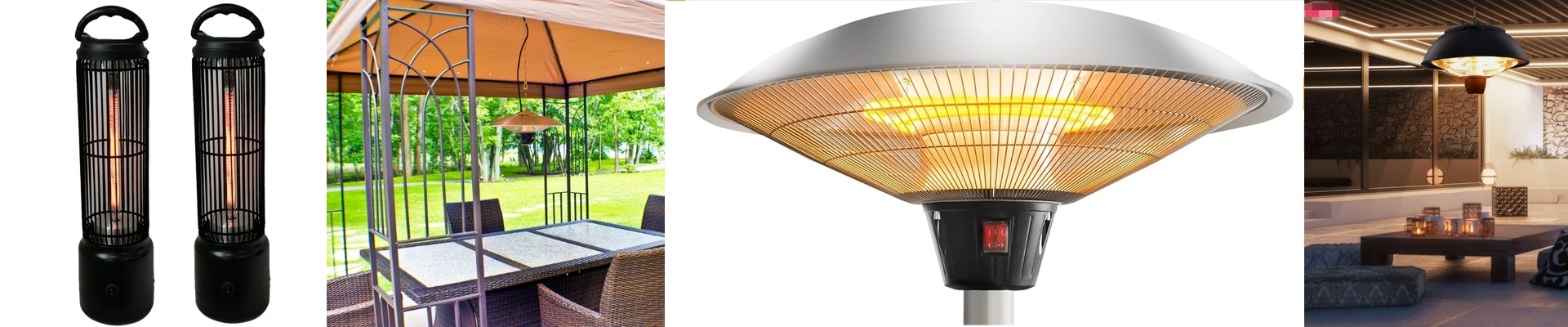
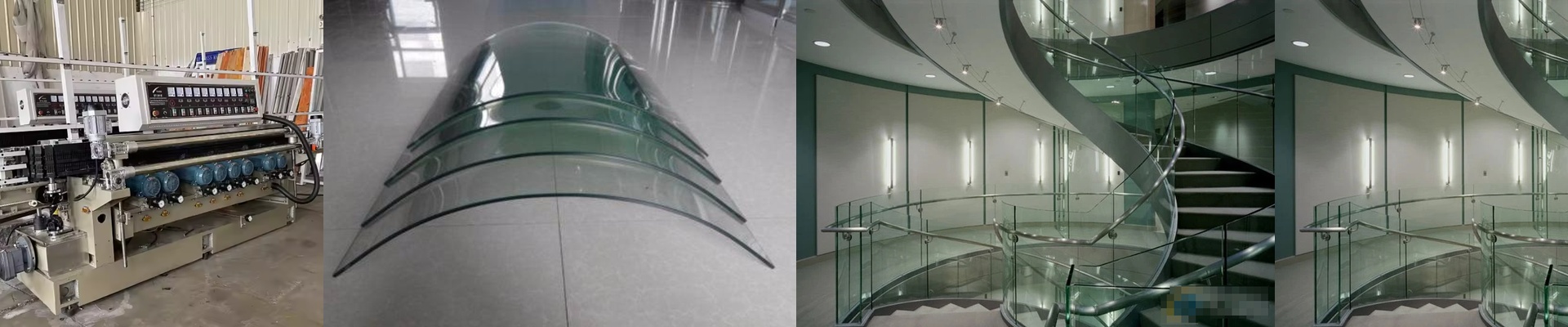

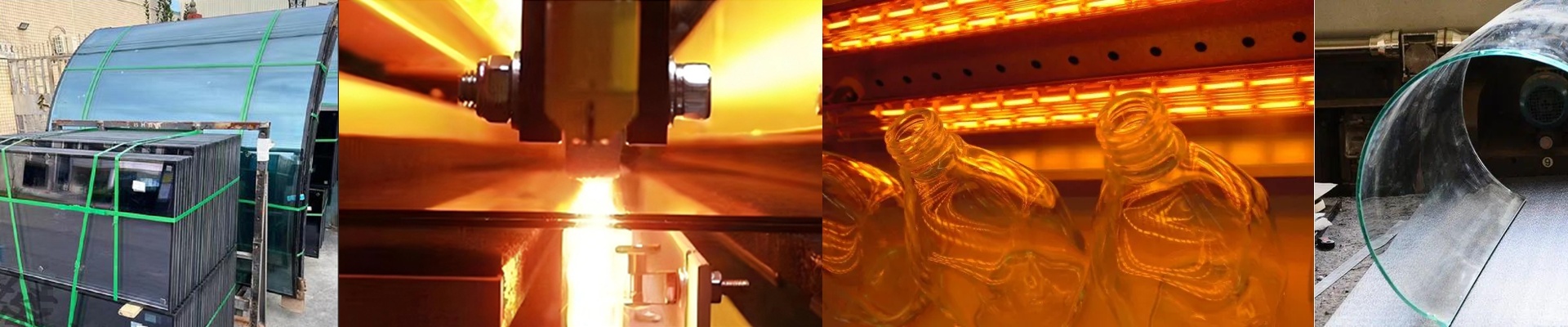
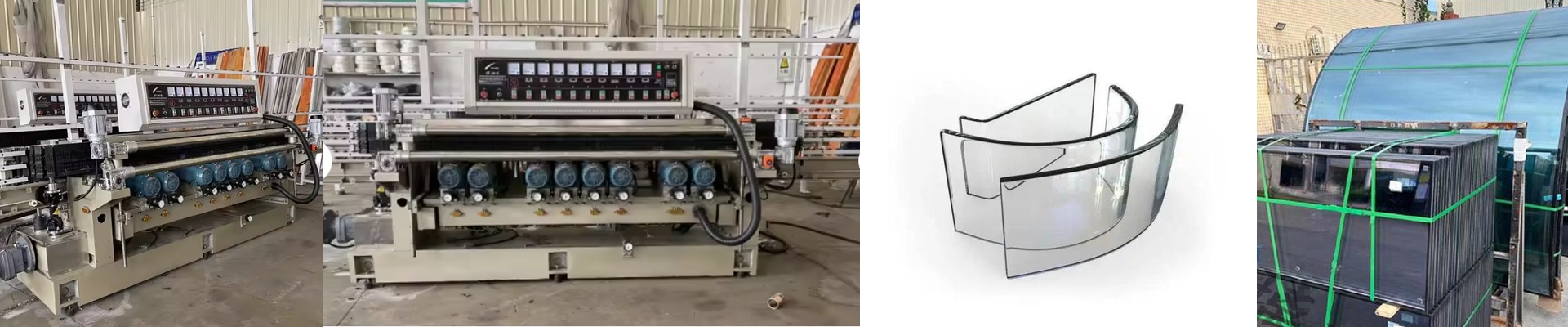

On the tempering and bending line, that furnace door takes a beating—open, close, cycle after cycle. When the door seal starts leaking heat, the chamber temperature dips, and you’re suddenly chasing optical distortion, bow, and thermal stress fractures. That’s not just scrap glass. It’s lost throughput and downtime you didn’t plan for. What matters, technically We build the oven door seal around a quartz heating element. It’s chosen for fast response and high emissivity in the near-infrared band. The element runs at 230 V or 400 V, sized to match common door perimeters, and draws power tuned to hold a stable thermal profile right at the opening. A tight, low-profile geometry keeps the seal close to the door frame, cutting cold leaks and convection loss. The terminals are rated for industrial cycling, and the assembly accepts standard mounting patterns so it drops in without major rework. Why it holds up in real production In tempering, the furnace door is the weak point for heat loss. This seal rebuilds the thermal barrier, keeping the heating zone even and smoothing out temperature swings that drive bow and warp. You end up with fewer rejects on low-e and coated glass, and more consistent surface quality shift after shift. Fast recovery after door openings keeps the cycle moving, so you keep output up without pushing the furnace harder. Energy use drops because the main chamber isn’t constantly compensating for a leak at the door. On lamination and bending lines, that stability translates into repeatable curing and predictable shape control. What you need to get right Door alignment matters. If the frame is out of square or the door gasket is worn, the new seal will run hotter than it needs to, and you’ll shorten its service life. Install it with the specified torque, verify gaps with a feeler gauge, and confirm the voltage matches the element rating. Expect slightly higher surface temperatures at the seal—keep clearances and insulation in place. With proper alignment, the element holds output for 5,000+ hours under typical tempering cycles, and replacement is a straightforward swap.