Getting Your Glass Jewelry Heat Just Right
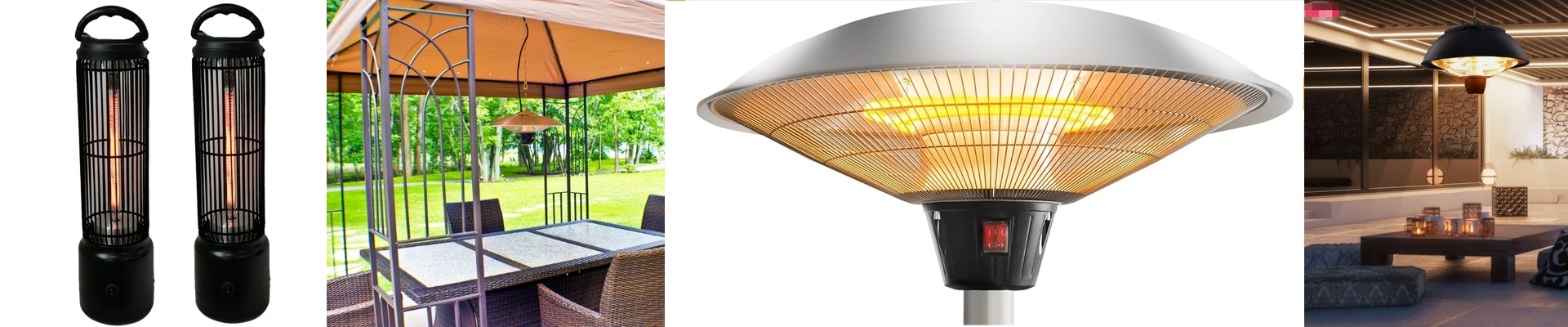
When you’re making glass jewelry, you’re usually playing with metal oxides or rare earth elements to get those deep colors or that perfect shimmer. But here’s the catch: those additives change how the glass actually “feels” the heat. If you use a basic infrared lamp, you’re probably wasting a ton of energy. Why? Because the lamp is throwing out wavelengths that your glass just bounces right back. It’s like trying to warm up a room with a light that the walls reflect. We fix that by tweaking the infrared spectrum so it actually matches the chemistry of your glass. Hitting the sweet spot Most quartz lamps just blast a broad range of light. But when you add things like cobalt or gold chlorides for color, the glass starts absorbing heat in very specific, narrow bands. We don’t just give you a generic bulb. We pick the right emitter material and add specific coatings to shift the light curve. By lining up the lamp’s peak output with what your glass actually wants to absorb, we push the heat deep into the piece. No more scorched surfaces with a cold, brittle core. The honest trade-off Now, there is a bit of a give-and-take here. When you go for a high-precision, narrow-band lamp, you usually lose some total wattage compared to those big, general-purpose tubes. You get way better penetration and a much more even bake, but you might find you need a few more lamps in your setup to keep your ramp-up speed where you want it. Just a heads-up: make sure your power supply is dialed in for these specific loads, or you’ll be replacing blown filaments more often than you’d like. Why this actually matters in the shop We built these for the moments where thermal shock is your biggest nightmare. By controlling exactly how the light hits the glass, you kill that nasty temperature gap between the outside and the inside of the jewelry. You get rid of the internal stress without having to sit around a massive, slow-moving oven for hours. If you already have IR heaters, these usually slide right in as drop-in replacements—as long as your housing can handle the shift in wavelength.