Precision Annealing? You Need Precision Heat. Period.
We built the Ceramic Lamp Holder SK15 for one reason and one reason only: lab-grade glass annealing, where controlling stress isn’t just important—it’s everything. This isn’t some all-purpose heater. It’s a specialized tool, designed to pair a shortwave infrared heating element with rock-solid, 0.1°C temperature control. The goal? Delivering the exact same, uniform heat profile every single time, so your glass comes out calm, cool, and crack-free.
Let’s talk about what makes it work.
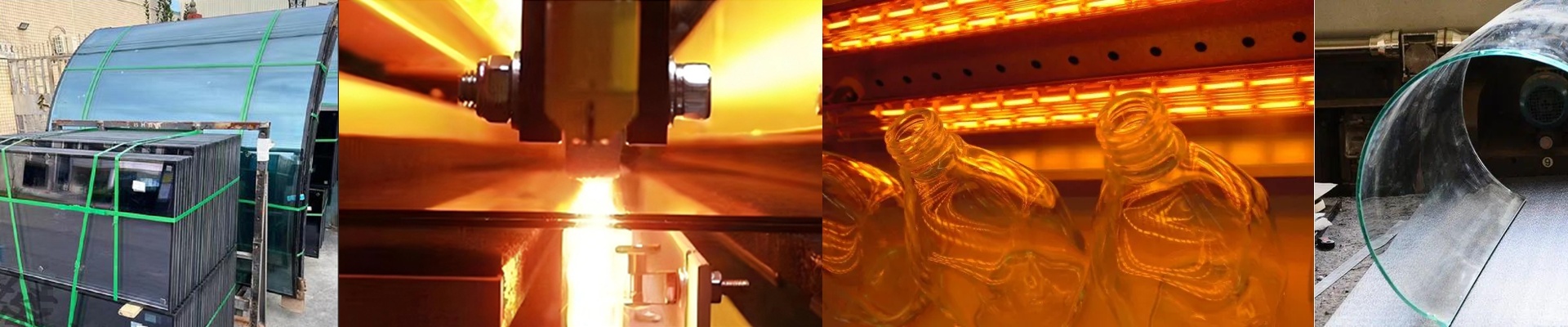
At the heart of it is a shortwave infrared element built for speed and control. You can choose the voltage and wattage to fit your chamber and cycle, but the geometry stays fixed. And there’s a good reason for that. The lamp length and focal distance are matched to standard lab glass sizes, so the heat lands exactly where you need it—on the glass—without turning your whole setup into a convection oven. And that 0.1°C control isn’t just a number we threw on a spec sheet. It’s the smallest step you need to run a controlled annealing ramp. You hold the glass above its stress-relief point long enough for the molecules to relax, then cool it slowly, gently, so no new stress sneaks back in.
Why ceramic? And why SK15?
Because this thing lives in a brutal environment—high heat, constant cycling, and zero room for electrical wobble. The SK15 ceramic lamp holder keeps its cool under pressure. It resists tracking and stays stable, even after hundreds of heat cycles. And the SK15 interface? It’s all about grip and alignment. Why does that matter? Because an infrared lamp only works if it sits at the exact focal distance. No wiggle. No guesswork. Just clean, even heat where you point it. We pair that holder with an infrared element that packs a serious punch in a small space. That concentrated power gives you fast ramp-up, but it also means the fixture runs hot. So plan for space. Plan for airflow. Your enclosure needs room to breathe.
What does this mean when you’re actually using it?
In the lab, stress fractures happen when heat is uneven or the temperature curve drifts. With the SK15 setup, you get a rock-solid mounting platform and a clean thermal path, so the control system can follow the annealing curve without creating hot spots. The payoff? Glass that reliably releases its stress, fewer rejects, and cycles that behave the same way—every single time. Now, the trade-off: that intense heat density that gives you speed and precision also demands respect. Mount it right. Ventilate well. Size your chamber and cooling to match the lamp’s thermal load. Do that, and you’ll get the kind of 0.1°C stability that keeps stress where it belongs—out of your glass.