Introduction
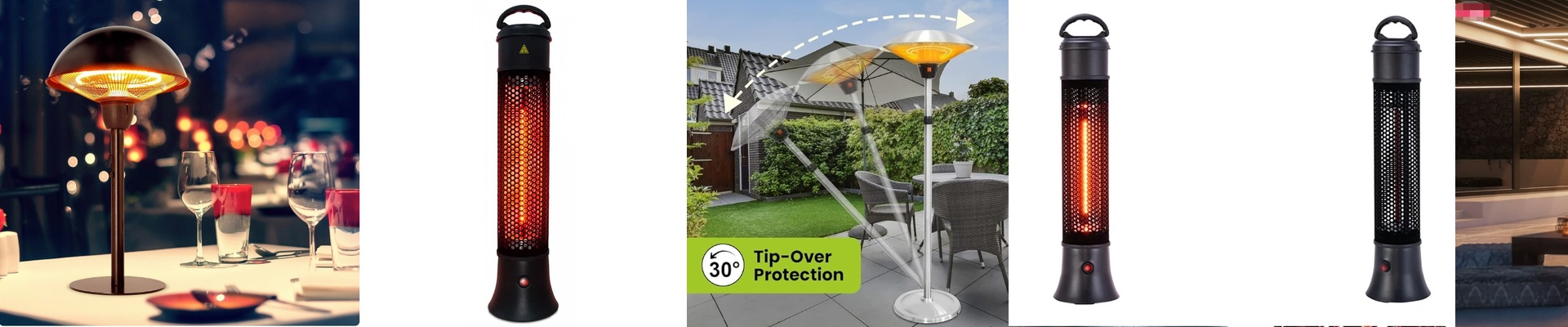
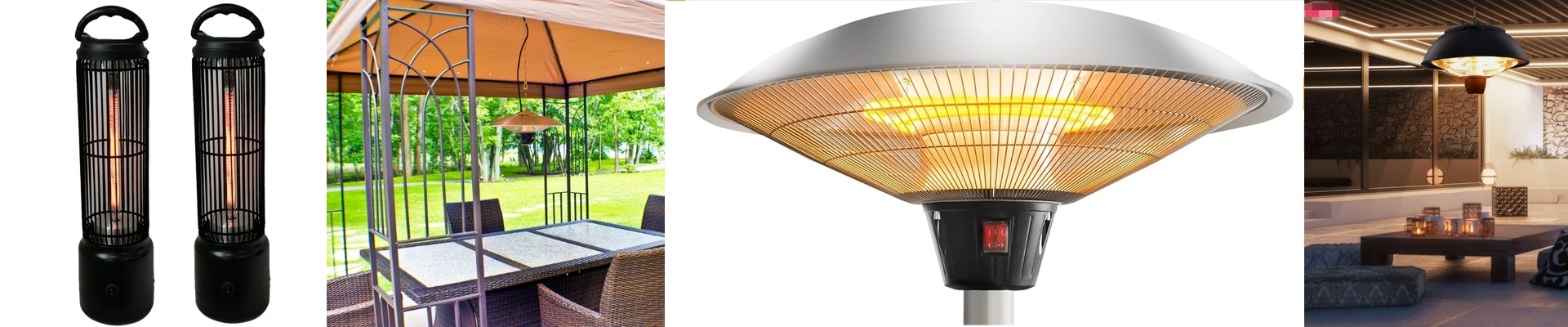
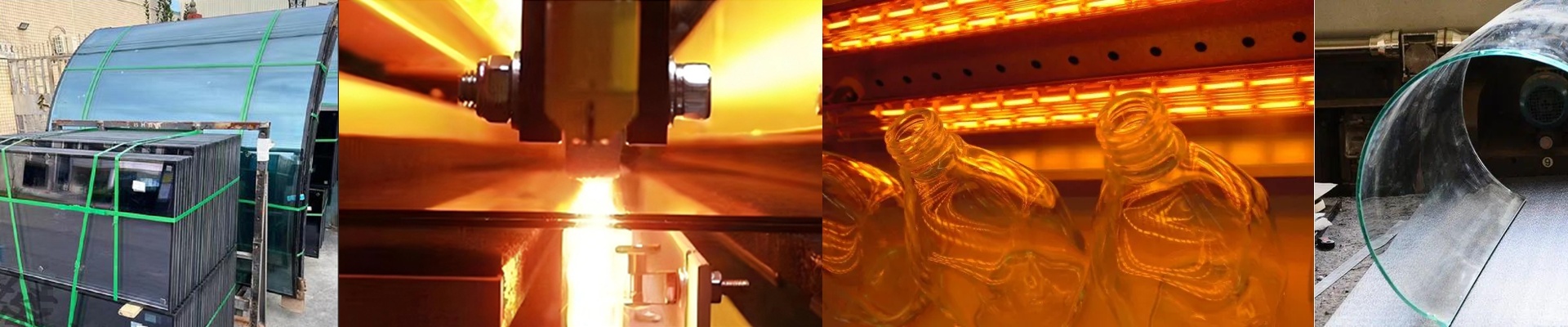
We make industrial infrared heating lamps built for one thing: getting glassware annealed the right way. The whole point is to heat things up quickly and evenly, so the stresses inside the glass disappear—without the piece cracking. You need a tight temperature curve, and you need it fast. And for that to happen, the heater has to play nice with the power you actually have on your plant floor—no matter where in the world your plant is.
Power, Voltage, and Size—Without the Headaches
Glass annealing needs a lot of heat packed into a small footprint, and that’s exactly how we design these infrared heaters. Here’s the practical part: you can spec them for 110V, 480V, or 575V. That’s not just a “nice to have.” It saves you the headache of mismatched power in the field and keeps you from having to add step-down transformers. Going with higher voltage (480V/575V) means lower current for the same wattage, so the wiring and connection hardware stay manageable. But higher voltage also means you have to pay attention—insulation and clearance need to be solid, and the contactors and overcurrent protection have to be properly rated.
What They’re Actually Made Of
We use quartz envelopes because they handle rapid heating and cooling cycles without complaining, and they transmit shortwave infrared energy really well. Inside, a reflective coating pushes the energy forward toward the glass. That means more usable power where you need it and less wasted heat kicking backward. For the connections, we stick with standard R7s bases. They hold the lamp firmly, keep the electrical contact stable, and prevent arcing—even when things are vibrating. And when it’s time for replacement, it’s a straightforward drop-in. Less fiddling. Less downtime.
How It Feels on the Line
On the annealing line, these heaters give you fast, focused heat that keeps pace with the conveyor. Because the voltage options are global, you can standardize the heater spec across multiple plants, yet still wire straight into whatever power supply is already there. You get repeatable annealing performance, and you’re not wasting energy heating up the whole room. Just one thing to keep in mind: with high heat density, your machine’s cooling and ventilation have to be up to the job. If the heat can’t be managed properly, the lamp and nearby components will run hotter than they were designed to.