Stop Fighting Batch Variance: The Truth About Glass Annealing
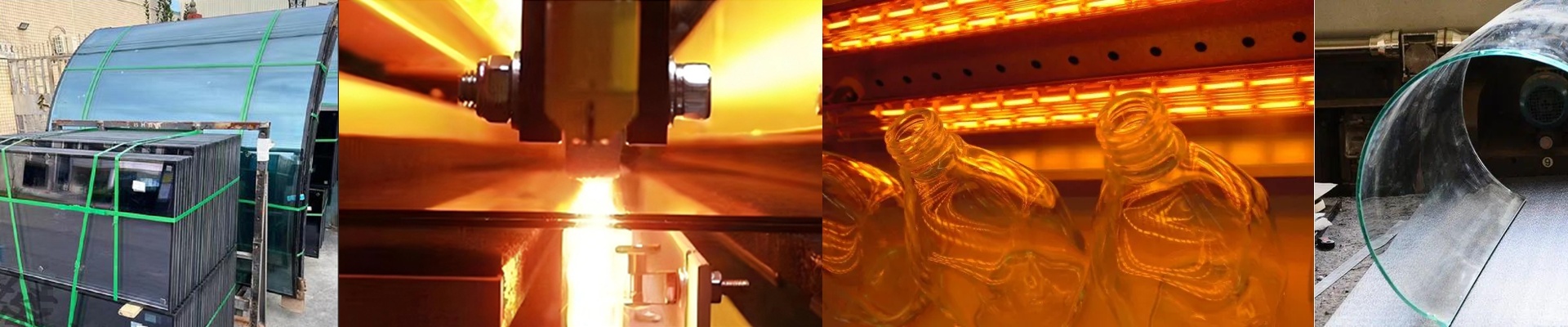
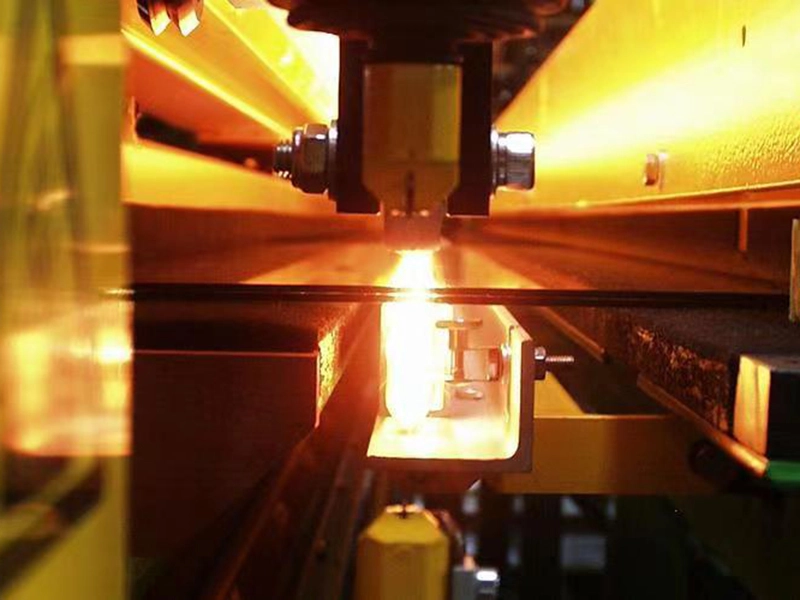
Glass annealing is a brutal game of precision. If your heat is off by just a few degrees across a batch, you’re looking at internal stress and shattered pieces. Most shops deal with “batch drift.” You know the drill: the first few pieces come out under-cured, and by the time you hit the end of the run, the last few are practically scorched. It’s frustrating. Usually, it’s because standard IR lamps are all over the place when it comes to wattage and spectral output. The trick is in the tubes. We use a twin tube design. Basically, we nest two filaments together to double the radiant surface area without taking up any more space in your heater. It’s a lot of energy in a small package. Instead of just warming the surface, you’re actually pushing that heat deep into the glass. You hit your soak temperature faster, and you do it more effectively. Why “close enough” isn’t good enough. When we talk about consistency, we’re talking about the math. We keep the wattage of every single lamp within a tight ±5% margin. Think about it: if you have a bank of twenty lamps and just one “rogue” bulb is running 10% hot, you’ve got a hot spot. In the glass world, a hot spot means uneven contraction. To stop that, we get obsessive about the quartz purity and how the filaments are wound. It’s a lot of work on the backend, but it means your glass doesn’t crack. The honest trade-offs. Look, these high-density lamps aren’t “plug and play” for every setup. They put a serious load on your power supply. Because they pump out so much heat, your control system has to be on its toes. If your sensors are sluggish, you’ll overshoot your set point before you even realize it. You’ll want a fast-acting SCR to modulate the power. If you don’t, you’re just going to burn through your lamps way too fast. Keep your voltage stable and stick to the specs. When the lamps actually match, your batch quality stays flat. No surprises. No wasted glass.