Why Your Outdoor Heater Actually Needs an IP55 Rating
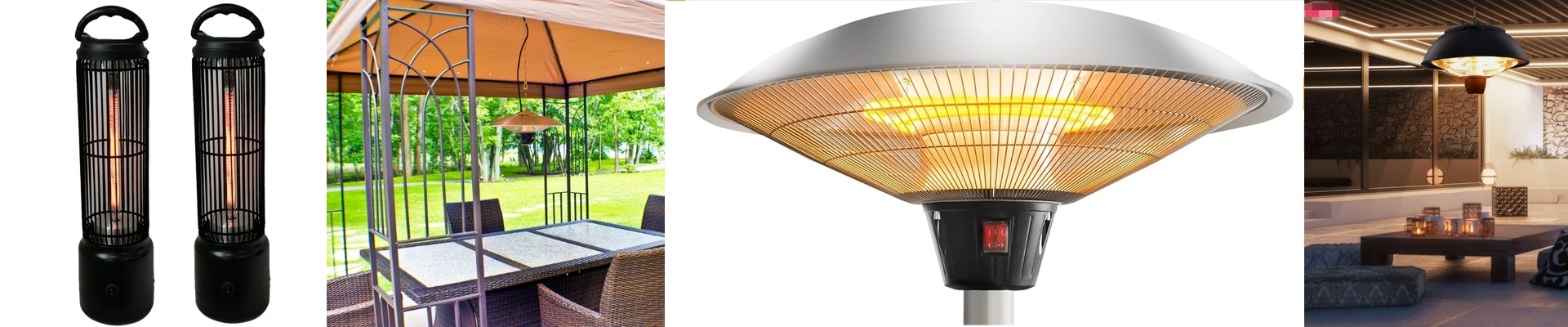
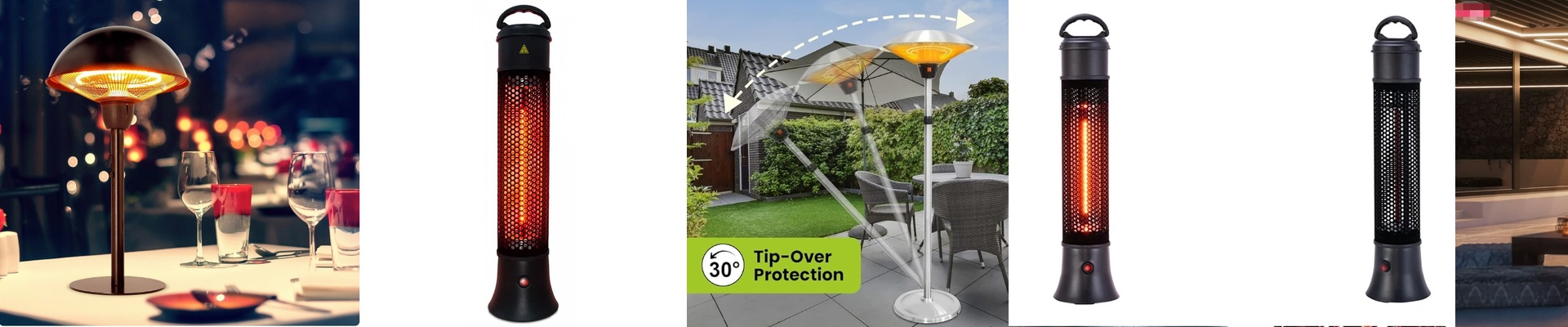
Let’s be honest: the outdoors is brutal. Between the sudden rain showers and the constant layer of dust, your patio heater is basically fighting a losing battle the moment you hang it up. Most heaters just aren’t built for it, and that’s why so many of them die way before they should. We wanted to fix that. So, we built our latest series with an IP55 rating.
What does “IP55” actually mean for you?
You’ll see these numbers on a lot of tech, but here is the real-world version. The first “5” is all about the grit. It means we’ve sealed the housing enough so that dust can’t get inside and fry your circuits. The second “5” is the important one for rainy days. It means the unit can take a direct hit from water jets and keep on ticking. We didn’t just slap a sticker on it, either. We used heavy-duty silicone gaskets and reinforced seals everywhere a wire enters the frame. Here is why that matters: when water hits a glowing hot infrared tube, it turns into steam instantly. If your heater isn’t sealed properly, that steam gets trapped inside the chassis. It basically turns the inside of your heater into a sauna, which eats away at the electrical terminals until they corrode and quit.
The battle against the “fog”
Condensation is the silent killer. You turn the heater off, it cools down, and the humidity in the air settles right on the cold surfaces. To stop this, we went with a vented chassis. It’s a bit of a balancing act—we wanted to let the internal air breathe so moisture doesn’t build up, but we still had to keep the actual rain out. This prevents those annoying “foggy” spots on the quartz tubes. And trust me, that’s not just a cosmetic issue. When a tube fogs up, the heat doesn’t spread evenly. You get these intense hot spots on the glass, which eventually lead to cracks or a burnt-out filament.
One thing to keep in mind
Now, there’s a trade-off. Because we’ve built this thing like a tank to keep the water out, the housing is tighter than your average open-frame heater. This means it can get a bit warmer inside. When you’re installing it, just make sure your mounting bracket leaves some breathing room around the back. As long as the air can flow, you won’t have to worry about the thermal cut-off kicking in during those weird temperature swings between summer and winter.