The Struggle with 2-Meter+ Infrared Heaters for Glass Tunnels
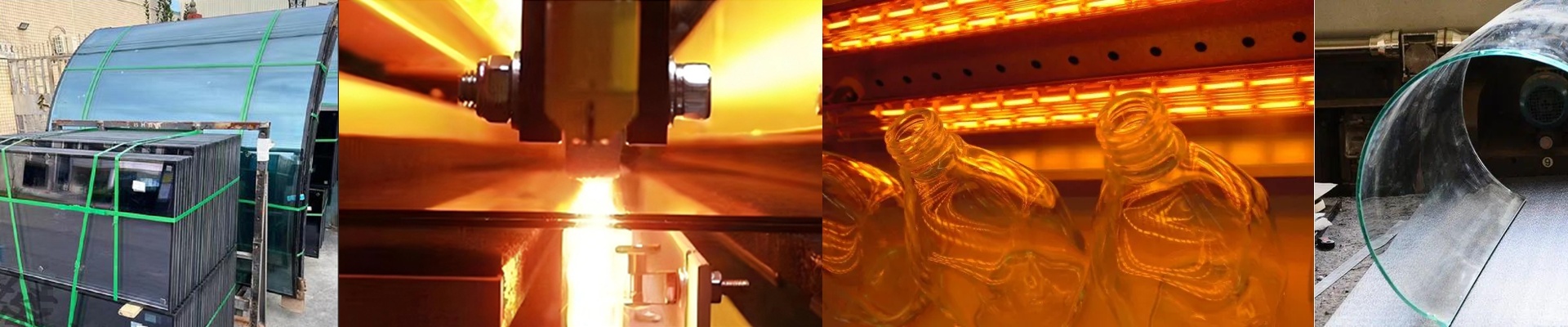
Most infrared lamps are built for small spaces. They’re easy to find and easy to swap. But when you’re dealing with a massive glass tunnel kiln, those standard lengths just don’t cut it. If you try to patch together a bunch of short lamps, you’ll end up with cold spots. It’s a nightmare for quality control. That’s why we build continuous heating units that push past the 2-meter mark.
Dealing with the Power Problem
Scaling a lamp up to over 2 meters is a bit of an electrical headache. You can’t just stretch the quartz tube and call it a day. If you aren’t careful with the voltage drop across that distance, you’ll fry the ends of the lamp while the middle stays lukewarm. We spend a lot of time balancing the wattage per centimeter. We tweak the ohms until the heat is dead-even from one end to the other. It’s all about that consistency.
Keeping Things from Snapping
Here’s the thing: quartz is brittle. A 2-meter tube is heavy, and if it isn’t supported perfectly, it’ll sag. And once it sags, it’s prone to snapping. These aren’t the kind of bulbs you pick up at a hardware store. We use industrial-grade connectors and reinforced housing. It gives the tubes room to breathe and expand as they heat up without putting too much stress on the glass. It’s a lot of precision work, but it’s the only way to make sure your line doesn’t go down because of a broken tube.
The Heat Soak Reality
These long units put out a staggering amount of energy. That’s great for tempering or annealing your glass quickly, but it creates a new problem: waste heat. Your kiln’s frame is basically sitting in a sauna. If your cooling fans and ventilation aren’t up to the task, your support frames will start to warp. We keep the footprint tight, but you’ve got to get your airflow right. Otherwise, you’re just asking for your electronics to fry. It’s a balancing act between raw power and smart cooling.