Stop Fighting Your Furnace: A Better Way to Handle Awkward Bends
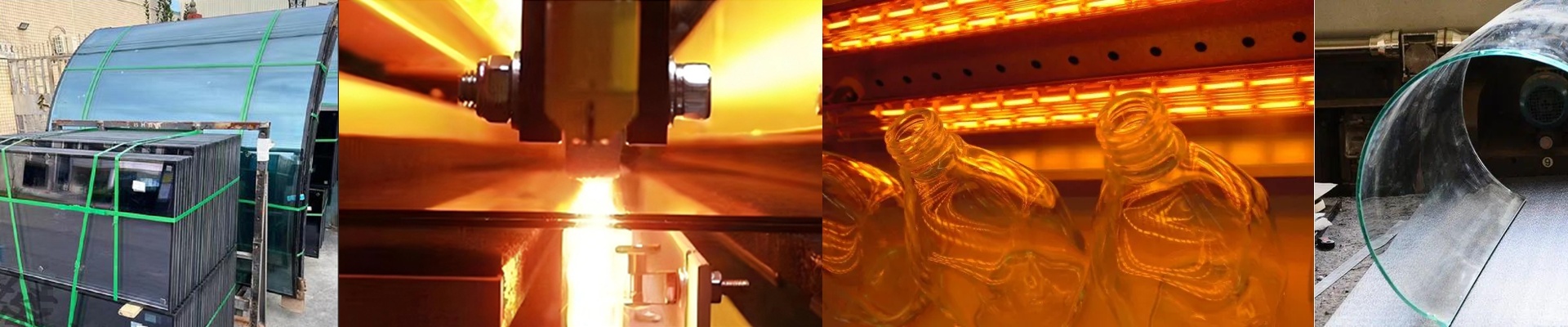
Let’s be honest—standard straight lamps are a pain when your furnace isn’t a perfect rectangle. If you’re working with a tight footprint or some weird geometry, you’ve probably dealt with the headache of uneven heat. You’re either risking a burnout or praying the lamp doesn’t actually touch the furnace walls. It’s frustrating. We get it. That’s why we build twin-tube infrared elements that actually fit your specific length and bend radius. No more “making it work.” It just fits. Getting the heat where it actually belongs Here is the thing: twin-tube designs pack way more punch into a shorter space than single tubes. When you don’t have much room to move, you need that heat density. We bend these tubes to mirror the inside of your chassis. This kills off those annoying “cold spots” you get when a standard lamp is sitting too far away from the part. By hugging the curve of your machine, the heat hits the material directly. It’s more efficient, and you stop wasting energy heating up empty air. Built to take a beating We use high-purity quartz because these things need to survive extreme heat without warping or sagging. Plus, because it’s a twin-tube setup, the electrical load is split across two filaments. That means you don’t get those scary localized hot spots that usually happen when you push a single lamp too hard. You tell us the length and the curve, and we send you a part that drops right into your existing setup. Simple. A few things to keep in mind Now, there’s a catch. When you concentrate heat into a custom shape, you’re putting more stress on the bend points. You have to make sure your mounting brackets aren’t gripping the tubes too tight. Quartz needs room to breathe and expand as it heats up. If it’s clamped down like a vice, it’s going to crack. And don’t forget your controls. Since these have a specific wattage based on the custom length, you’ll want to calibrate your system so you don’t overshoot your target temperature. We’ll give you the exact electrical specs, so you aren’t just guessing at the load when you wire it up.