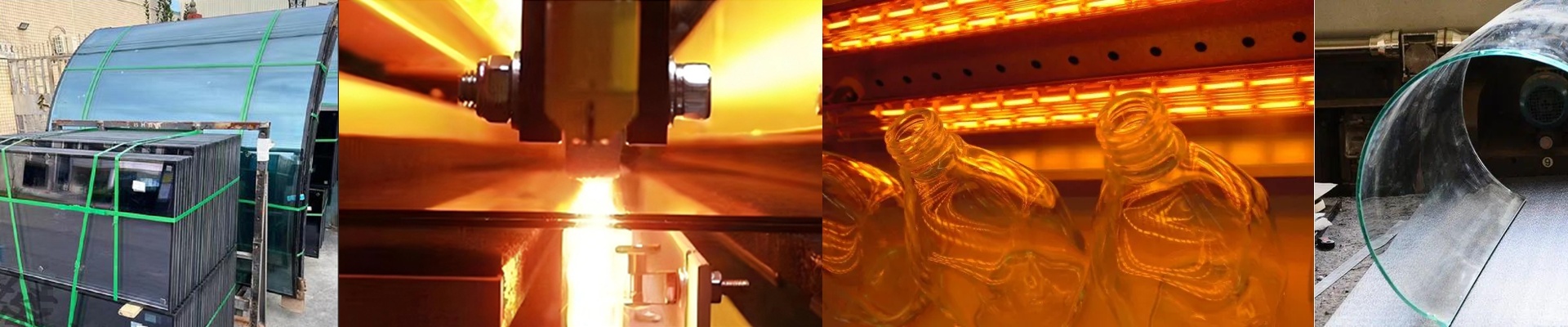
On the bottle decoration line, the clock starts the moment ink hits the glass. Let the drying cycle drift and you’ll trap solvents, watch adhesion go sideways, and watch scrap pile up. Crank the heat too hard and you’re asking for thermal stress, micro-cracks, and a pile of rework. Precision heating isn’t a nice-to-have—it’s the thin line between a profitable run and a line that’s down.
What matters under the hood
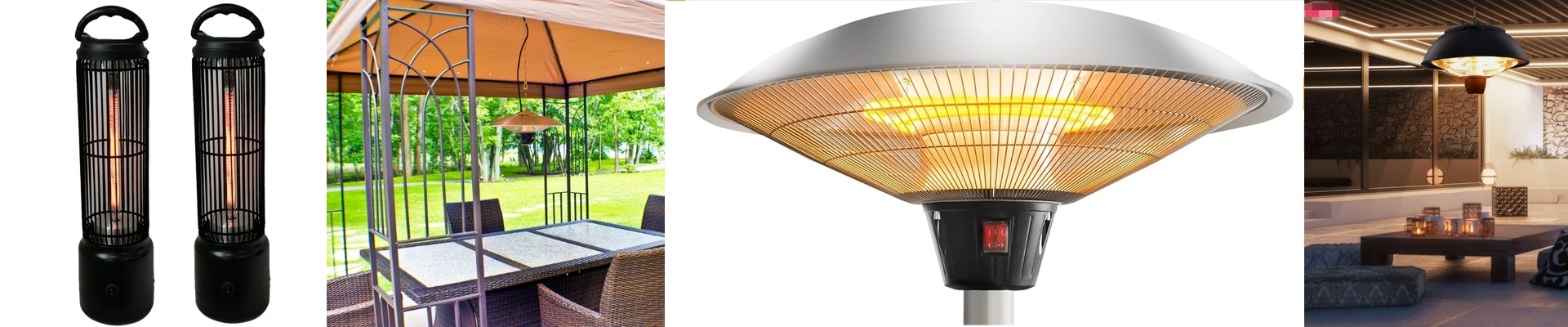
We run NIR (near-infrared) quartz emitters tuned for glass coatings, so we get rapid surface heating without cooking the substrate. The system stays within a tight spectral band that matches how decorative inks and coatings absorb, so the energy lands right where it needs to—in the film—while the glass body stays cooler. That gives us a controlled thermal profile with uniform flux across the bottle shoulder and body, so differential expansion and stress stay in check. Power density is matched to line speed, and the emitter layout is laid out to flatten the temperature field. No hot spots. No cold seams.
Why this approach fits bottle decoration
You need a fast cure, but you can’t trade away glass integrity. NIR drying tightens the drying window, so you can keep pace with high-throughput conveyors and still hit consistent adhesion and gloss. Because the heat is focused, total energy draw drops compared to full-chamber convection, and the instant on/off response keeps the process repeatable run after run. Under-cured graphics drop off, scrap from overheat-induced stress falls, and output stays on spec even when line speed ramps up.
The practical details you can’t skip
NIR drying is line-of-sight, so emitter positioning and bottle rotation have to be dialed in to avoid shadows. Expect a short warm-up to thermal stability, and plan on periodic reflector maintenance if you run a dusty line. The system fits standard mounting envelopes, but you still need to verify clearance and cooling airflow against your existing conveyor and guarding. Match the power supply and connector type to your machine, and confirm the control interface—PID or PLC—so the thermal profile stays locked.