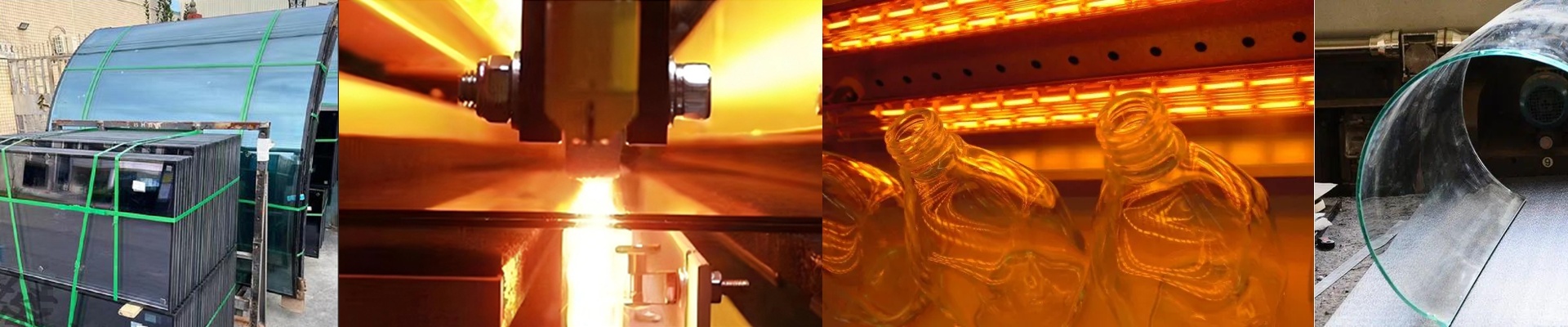
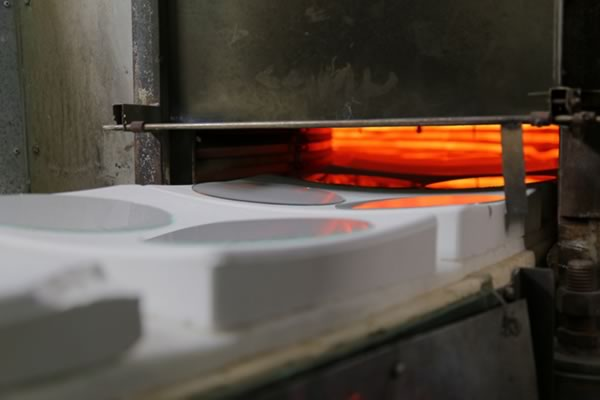
On the insulating glass line, the clock starts the second the spacer is pressed and the silicone bead hits the glass. Slow cure? The whole cell sits and waits. Uneven heat? You’re buying trapped stress, adhesion problems, and rework. Infrared silicone curing is how we take charge of that window. What matters technically We run high-power NIR emitters tuned to silicone absorption, so we get fast, surface-to-bulk heating without turning the frame into a hot box. Quartz elements give tight spectral control and snappy thermal response, which means the temperature keeps up with the belt, not the other way around. We match output density to the seal profile, and the zone layout is laid out to keep flux even across the width of the glass. The payoff: repeatable cure windows, stable handling of emissivity on coated glass, and consistent adhesion on the spacer. Why it fits on the floor In high-throughput IG assembly, infrared cuts dwell time and shrinks the thermal footprint. Line speed goes up, cure-related rejects drop, and you see less scrap from thermal stress. Energy use falls because heat is delivered on demand, not by holding a big convection chamber at temperature. In tempering and lamination shops, the same module can be re-tasked for coating drying and edge control, which simplifies spares and cuts downtime. Here is what you need to watch Infrared cure is line-of-sight. Spacers and frames cast shadows, so fixture design and emitter placement matter. Coated or low-e glass reflects energy, so you have to tune the system to the glass stack, not just the sealant. Plan for clean power, proper cooling, and routine calibration to keep the profile stable. Set it up right and you get faster cycles, lower kWh per panel, and fewer callbacks.