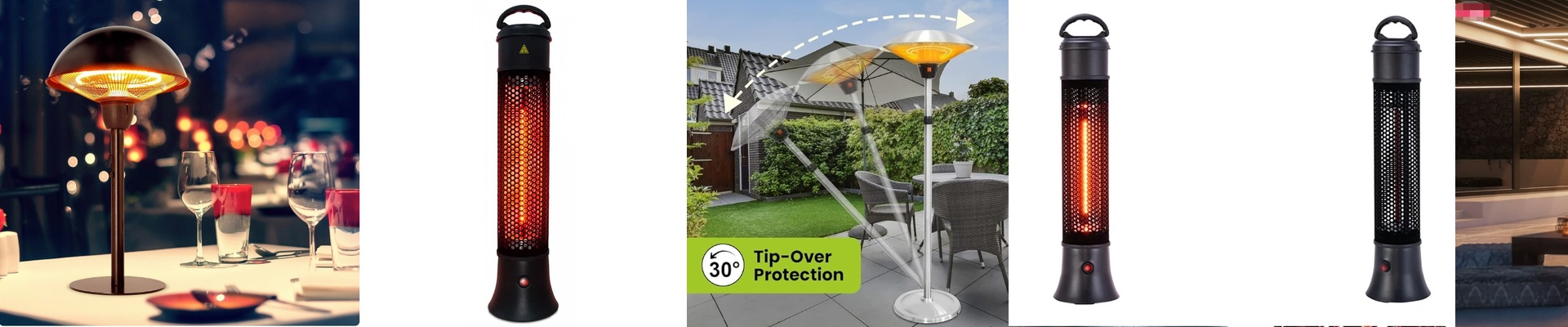
Leveraging IP65 Infrared Heaters for Outdoor Dining ROI
Outdoor dining spaces often sit empty during winter months. We see restaurant owners lose significant table turnover because guests won’t sit in a drafty patio. Installing high-output infrared heaters changes the math. Unlike forced-air systems that heat the air, infrared lamps heat objects and people directly. This allows you to keep the space open regardless of the wind chill.
Technical Specs and IP65 Requirements
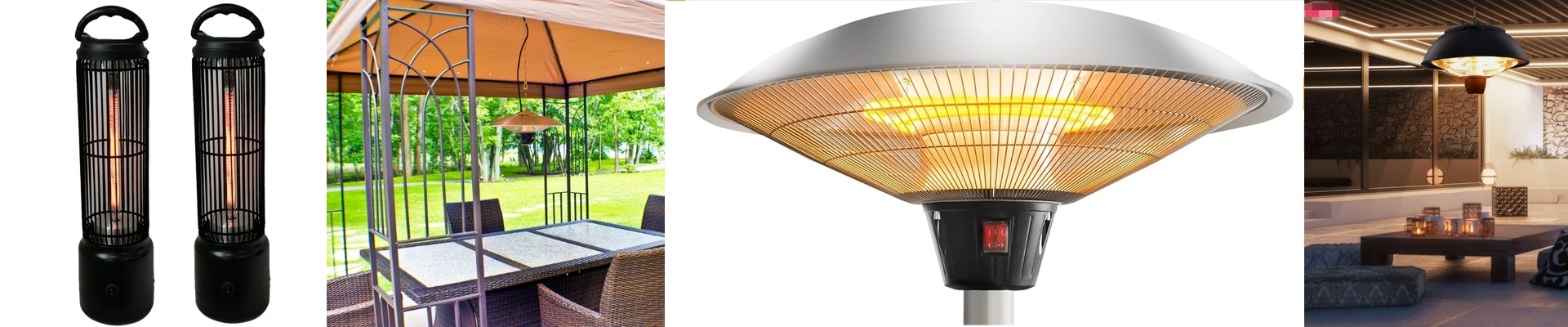
For open-air environments, we spec out heaters with an IP65 rating. This means the housing is dust-tight and protected against water jets from any angle. In a restaurant setting, this protects the internal wiring and the heating element from rain, snow, and heavy cleaning sprays. Most commercial units use short-wave infrared tubes. These hit the target instantly. You don’t have to wait for a coil to warm up. We typically deploy these in 1500W to 3000W configurations depending on the ceiling height. Higher wattage allows for a larger footprint of warmth, but you must ensure your electrical panel can handle the amp draw to avoid tripping breakers during peak dinner rushes.
Operational Impact on Table Turnover
Heat directly correlates to dwell time and seat occupancy. When a patio is warm, you can fill every table. You aren’t just adding seats; you’re increasing the flip rate. Guests stay for dessert or another round of drinks because they aren’t shivering. Installation is usually a drop-in replacement or a ceiling mount. We recommend spacing units every 2 to 3 meters to avoid “cold spots.” Keep in mind that short-wave heat is intense. If you mount them too low, you’ll burn the guests’ heads while their feet stay freezing. Proper height calibration is the only way to make the system work.