Getting the Heat Right for Glass R&D
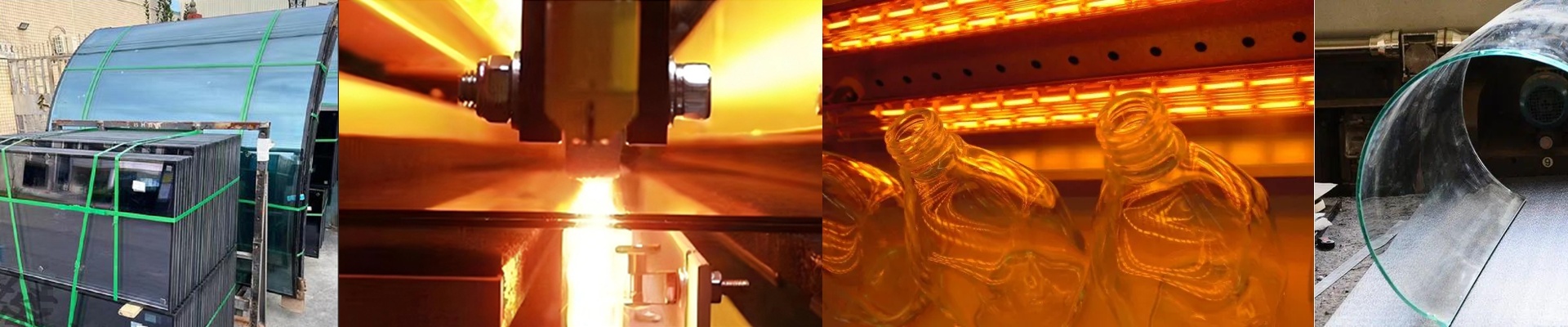
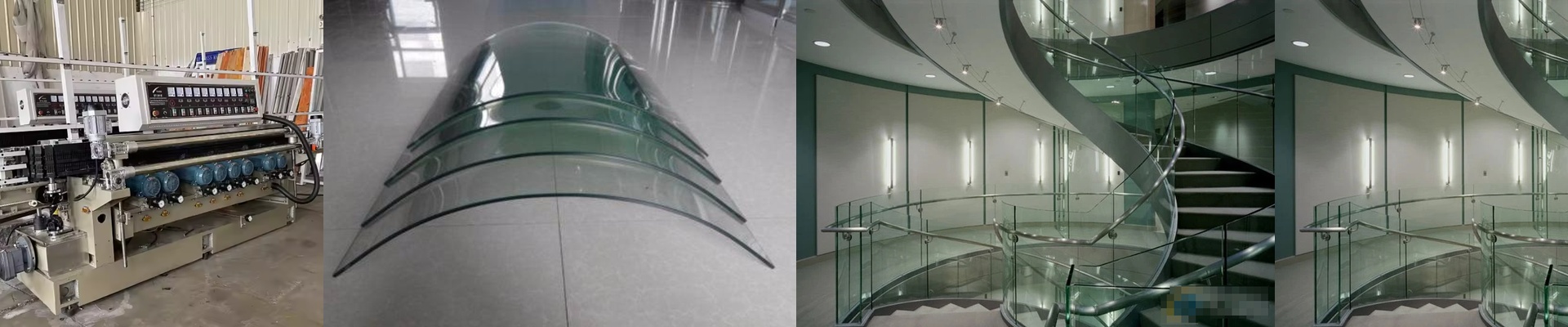
If you’re moving away from standard commodity glass and diving into R&D, you’ll quickly find that off-the-shelf tempering heaters just don’t cut it. Most of them just pump out a steady, uniform heat across the whole lamp. But in a lab? That’s rarely what you actually need. We do things differently. Instead of just swapping out a heater for a longer one, we play with the power density. We call it “parameter freedom.” Basically, we can control exactly where the heat hits and how hard it hits. The tricky part of non-uniform heating Take marine glass. You have to hit that glass transition temperature perfectly. If you miss, you’re in trouble. Too much power in the center? Your glass bows. Too little at the edges? It won’t temper at all. It’s a tightrope walk. That’s why we calculate the wattage per centimeter based on your specific glass thickness and chemistry. By tweaking the filament winding and voltage drops, we can build “hot zones” and “buffer zones” right into a single heater. It lets you see exactly how different alloys react to different thermal gradients without guessing. The trade-offs (because nothing is free) Now, pushing high wattage into one concentrated spot isn’t without its risks. When you create a peak heat zone, you’re putting a lot of thermal stress on the quartz tube. You’ve got to make sure your airflow and cooling can actually handle those spikes. If your cooling is sluggish, you’ll end up burning out the ends of your tubes way sooner than you should. Why this matters for your lab For the engineers building the next generation of marine-grade glass, this kind of control is the only way to actually isolate your variables. You can set up a series of heaters with different density profiles and find the exact thermal curve your material needs. No more “guessing and checking” during the tempering cycle. You get real, hard data on how power distribution changes the strength and clarity of your glass. It just makes the whole process a lot less stressful.