Getting Thick Glass Preheating Right
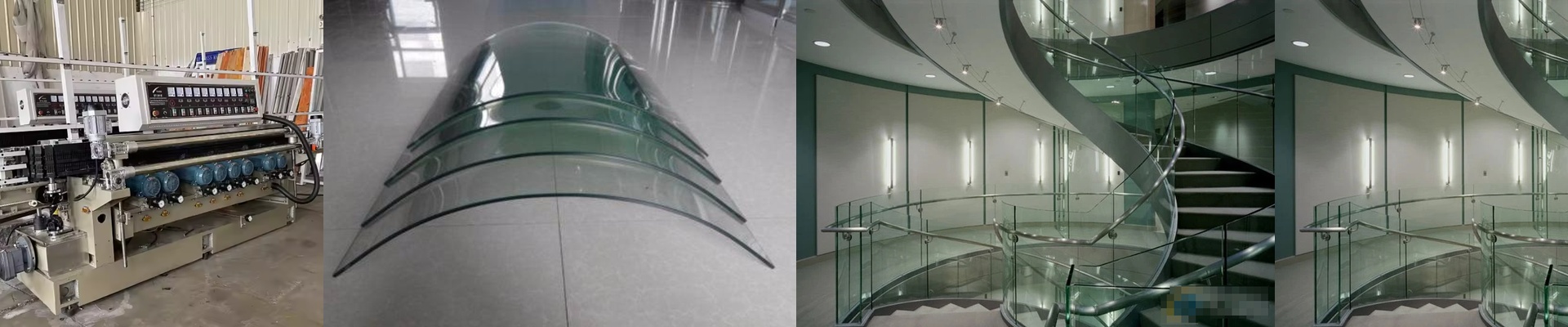
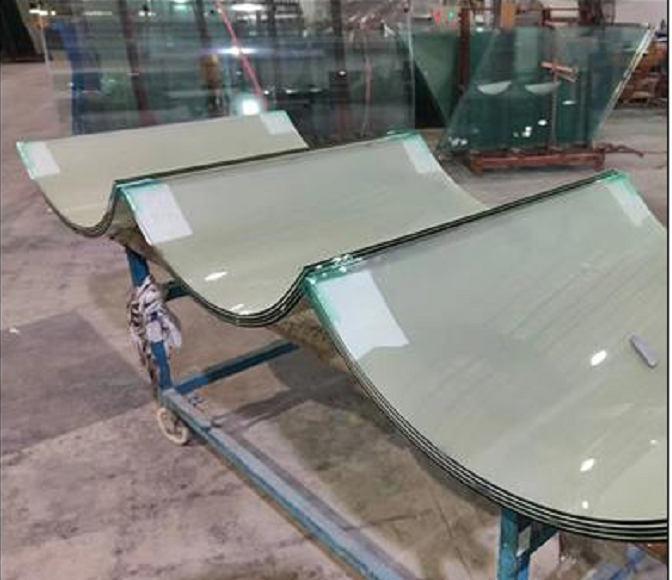
Working with thick glass is a balancing act. You need a massive amount of heat to get it to that softening point, but if you don’t get it exactly right, the surface stress will ruin the piece. The real headache? Space. Most custom bending furnaces are cramped. If you try to squeeze in standard, off-the-shelf heating lamps, you usually end up with “dead zones”—cold spots where the heat just isn’t hitting.
Fitting the Lamp to the Machine
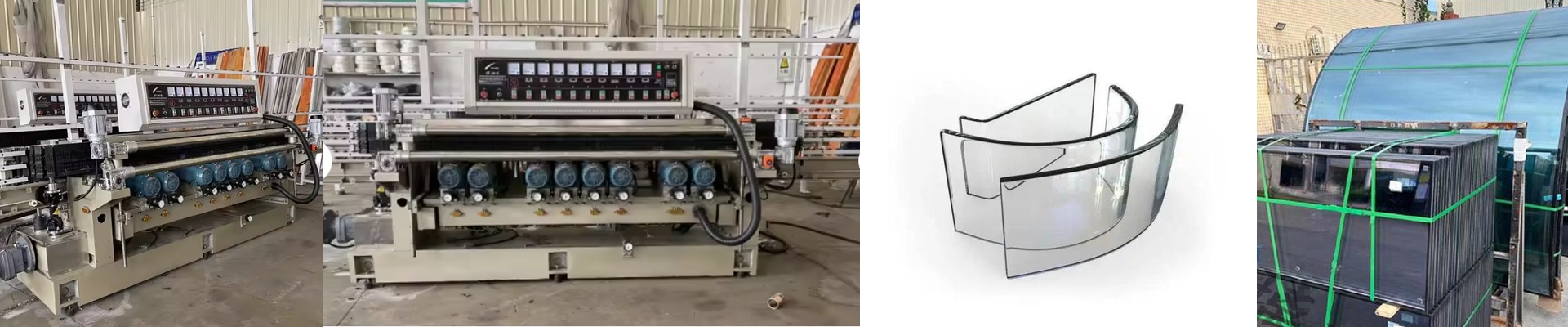
That’s why we don’t do “standard.” We build infrared lamps in the exact lengths and shapes you actually need. Think about it: if your lamp is even a few millimeters off, the edges of your glass sheet stay cool while the center gets scorched. That uneven heat is what causes glass to snap during cutting or bending. By tailoring the lamp to the millimeter, the whole piece hits the target temperature at the same time. It just works.
The Power Behind the Heat
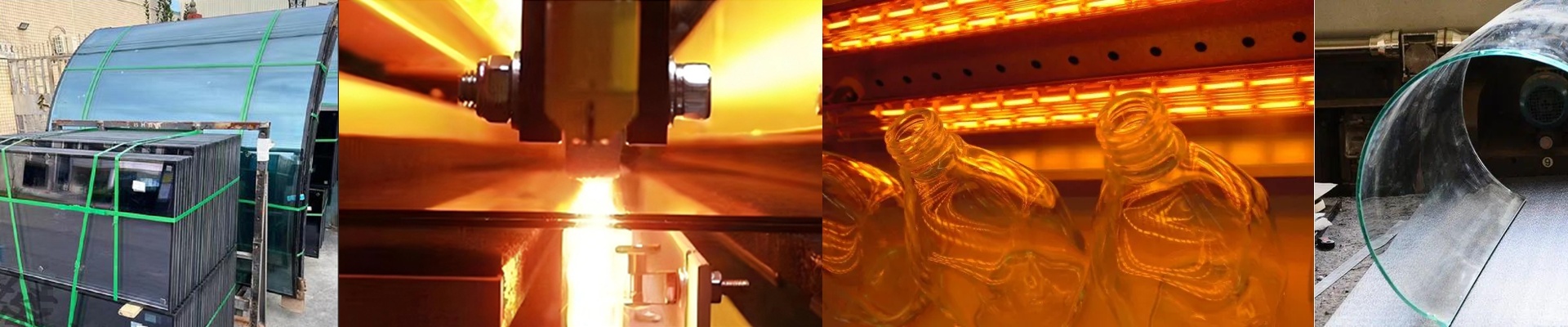
For the heavy stuff, we stick with shortwave or medium-wave quartz emitters. These aren’t subtle—they push high energy density straight into the glass. We can tweak the wattage per centimeter based on how thick your glass is. If you need a fast preheat, we can crank up the wattage to give it that extra punch. Just a heads-up, though: make sure your wiring and power supply can actually handle that draw. Nobody wants a terminal burnout in the middle of a shift.
The Trade-offs
Look, custom gear is great, but it comes with a few catches. Since these lamps are built specifically for your setup, you can’t just run to a local supplier if one pops. You’ll want to keep a few spares on the shelf so you aren’t left hanging. Also, keep an eye on your housing. When you pack that much heat into a tight space, the whole furnace gets hot. Double-check that your insulation and cooling fans are up to the task, or you’ll be fighting the ambient heat as much as the glass.