Getting Low-E Glass Preheating Right (When You’re Working with Huge Sheets)
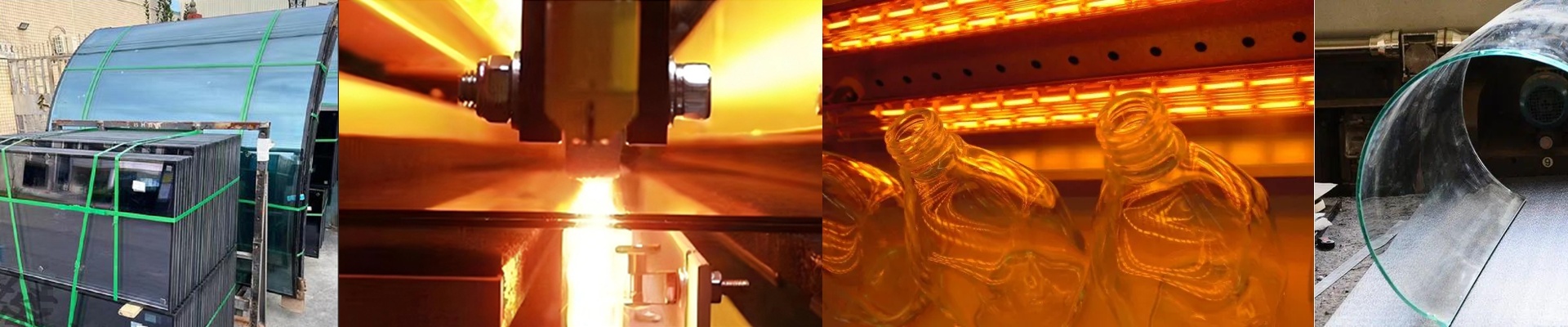
If you’re preheating wide-format Low-E glass, you know the struggle. You need the heat to be dead-even across the whole conveyor. But once your glass sheets push past 3 meters, those standard, off-the-shelf lamps start to fail you. You end up with “cold spots” wherever the lamps meet. It’s frustrating, and it ruins the finish. We fix this by building continuous infrared heating units tailored exactly to your width. No gaps. No guesswork. The struggle with long lamps You can’t just stretch a quartz tube and call it a day. If you do, the lamp will sag or, worse, snap during installation. It’s a nightmare. To stop that bowing, we use high-density quartz and beef up the mounting brackets. But the real trick is in the electricity. If you just shove a ton of power into one long circuit, you’ll hit a voltage drop. By the time the power reaches the end of the line, the heat dips. We spend a lot of time balancing the electrical load. We make sure the heat hitting the 3-meter mark is just as intense as the heat at the very start. The nitty-gritty details We usually go with shortwave infrared for Low-E lines. Why? Because it punches through the glass surface fast. Since these are industrial-grade, we use heavy-duty connectors. You don’t want your wiring melting because of the constant heat soak inside the oven. That’s just a recipe for downtime. One thing to keep in mind: these long units put out a massive amount of heat. And quartz expands. A lot. If your mounting clips are too tight, the tube will snap the first time you ramp up the heat. You’ve got to give the glass some room to breathe. Putting it to work These units are meant to be drop-in replacements for those clunky, fragmented arrays. When you get rid of the gaps, the preheat becomes uniform, and those annoying coating defects just disappear. Just a quick tip: double-check your power supply. These extended arrays pull a lot of juice, and you don’t want to be tripping breakers right in the middle of a production run.