Getting Your IR Spectra Right for Glass Additives
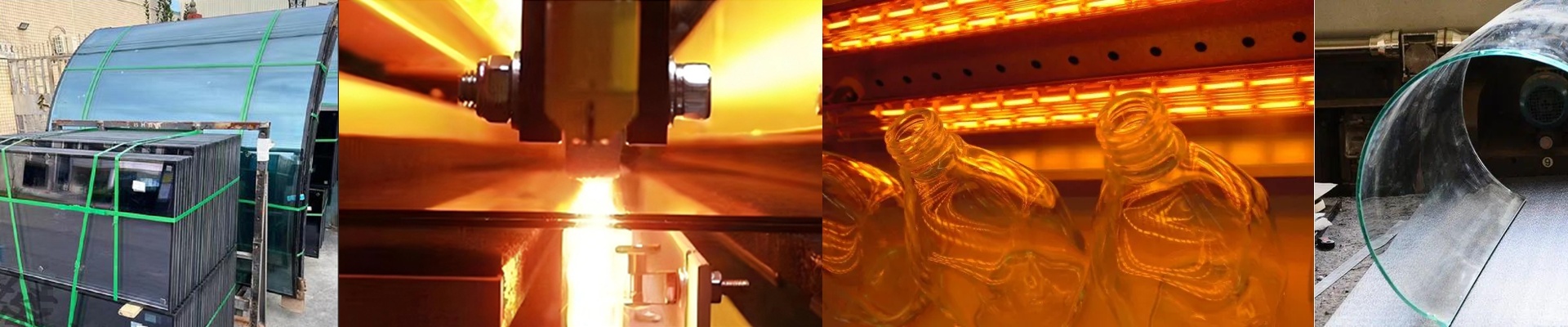
Most standard infrared lamps are just throwing energy at the wall and hoping for the best. The problem is that their emission curve usually doesn’t line up with what the material actually wants to absorb. If you’re working with specialized glass additives, that’s a big deal. You need the radiation to hit those specific absorption peaks. Otherwise, the heat just bounces off the surface like a stone skipping across a pond, and you’re left wasting power. Hitting the Sweet Spot We handle this by messing with the filament composition and how we dope the quartz envelope. See, if your additive has a peak absorption in a specific micron range, a generic short-wave lamp is basically useless. It’s the wrong tool for the job. We shift the spectral distribution so it matches that peak perfectly. The result? The energy goes straight into the additive molecules. You won’t have to deal with that annoying problem where the surface is scorching hot but the core is still ice cold. The Trade-offs (Because there’s always a catch) To get this spectral shift, we play around with the operating temperature and use filtered quartz or special coatings. This gives you a narrower, much more intense band of radiation. But here’s the thing: when you narrow the spectrum to hit a specific target, you lose some of that total radiant flux you get from a broad-spectrum lamp. It’s a bit of a balancing act. You might find you need to add a few more lamps to your array or bump up the wattage to keep your throughput where it needs to be. When This Actually Matters This isn’t for every setup. This is for the labs and the high-end production lines where the “off-the-shelf” stuff just isn’t cutting it—usually when you’re dealing with chemical-strengthened substrates or specialty optical glass. It feels different when it works. You’re interacting with the actual chemistry of the glass, not just heating the skin of it. That means shorter cycle times and way less worrying about thermal shock. Just a heads-up: make sure your cooling system can handle the specific heat density of these custom tubes, or you’ll be replacing burnt-out lamps a lot sooner than you’d like.