Stopping Glass from Cracking During Molding
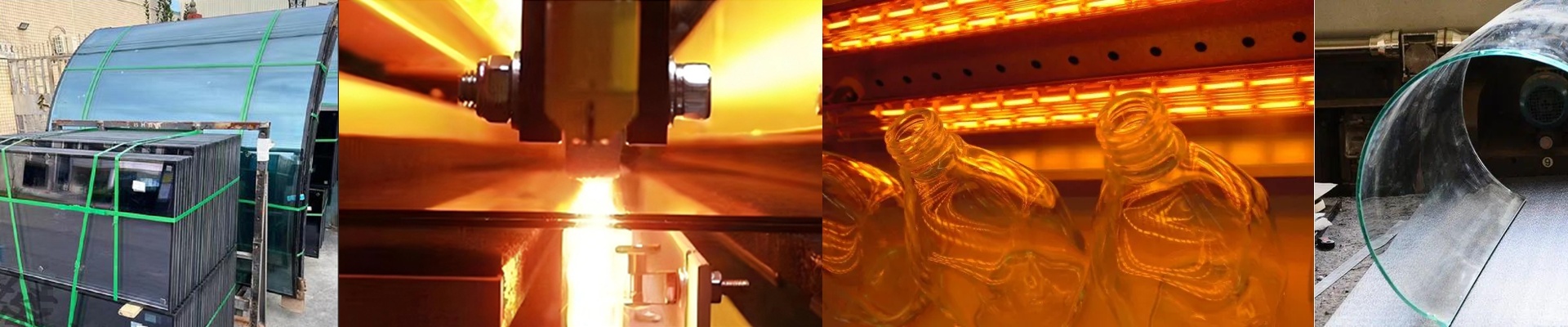
Working with glass is a bit of a balancing act. You need a precise temperature gradient, but that’s easier said than done. If you take your time heating it, you’re wasting precious cycle time. But if you blast it with raw heat too fast? The glass just snaps. That’s where our shortwave IR lamps come in. They bridge that gap, making instant tempering and molding actually work without the heartbreak of shattered material.
The Trick to Managing Heat
The secret to avoiding thermal shock is speed—specifically, how fast you can ramp power up and down. Standard resistive heaters are slow. They have too much “thermal inertia,” meaning they take forever to react. Our IR lamps are different. They react to voltage changes in milliseconds. Now, you can spec these for high wattage to get your glass to its softening point quickly, but you can’t just flip a switch and walk away. You’ll want to pair them with an SCR or a fast-switching power supply. This lets you “pulse” the heat. By pulsing the power, you stop the outside of the glass from expanding way faster than the core. That’s usually where the cracks start, so controlling that flow is everything.
The Gear
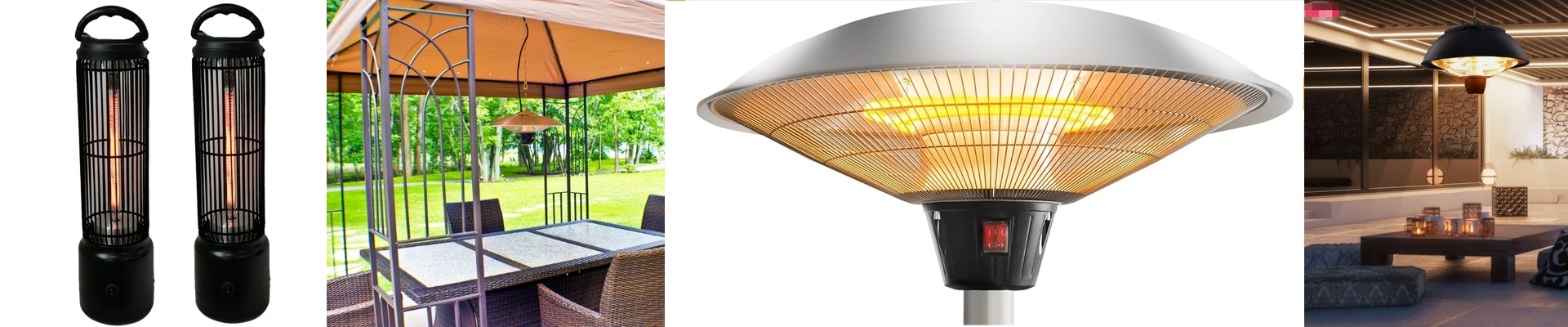
We build these using high-purity quartz and halogen cycles. The halogen gas is the real hero here—it stops the tungsten filament from evaporating and sticking to the quartz walls. That means your heat output stays steady for thousands of hours instead of dipping off. As for the fit, we usually stick with R7s or Sk15 bases. We did this on purpose so they’re basically drop-in replacements. You can swap them into most industrial molding rigs and get them wired up without having to tear apart your entire lamp housing.
A Word of Caution
High-power density lamps are great for speed, but they do put a bit of a strain on your electrical setup. If you pack 2kW+ tubes into a tight array, things get hot. Really hot. If you aren’t careful, that ambient heat can melt your wiring or fry your sockets. The trick is finding the right balance. You need enough wattage to get the job done, but you’ve got to have active cooling on the machine frame. Otherwise, you’re just looking at a premature burnout.