Dealing with the Headache of Ultra-Long Infrared Heaters for Glass Kilns
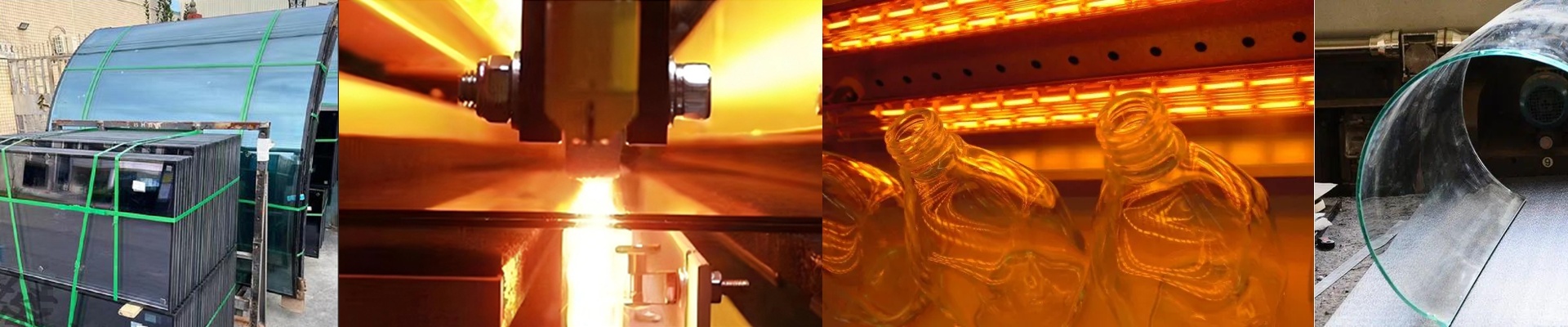
Here is the problem with standard infrared lamps: they just aren’t long enough. If you’re running a glass tube tunnel kiln, you often need heat covering more than 2 meters. If you don’t have that, you get cold spots right when you’re in the middle of cutting or softening. It’s a nightmare. To fix this, we build continuous heating units specifically for these massive footprints. Keeping the heat steady Getting a flat temperature across a 2-meter stretch is a lot harder than it sounds. If the wattage is too low, the center of the tube just chills out. But if you crank it too high? You’ll fry the filaments at the ends. We spend a lot of time dialing in the voltage and wattage based on the exact length so the heat stays consistent. We also line the lamps up end-to-end with almost zero gaps. Why? Because nobody wants “thermal stripes” ruining their glass work. The quartz struggle We use high-purity quartz glass because it can take the hit of rapid heating and cooling without snapping. But there’s a catch. A 2-meter lamp gets soft when it’s hot. It starts to sag under its own weight. You can’t just toss these into a generic rack and hope for the best. They need custom support brackets with exact spacing. If a bracket touches the quartz, you get a hot spot, and then—pop—the tube fails. The trade-offs (and the wiring) Just a heads-up: these units are power-hungry. A continuous 2-meter array pulls a massive amount of current. Double-check your control cabinet before you plug it in, or you’ll be tripping breakers all morning. And here is the honest truth about the layout. Using one long unit means fewer connectors and fewer things to break. That sounds great, right? Until something actually does break. Swapping out one massive component is a chore. That’s why we usually suggest a modular setup. It makes maintenance a lot less of a pain.