The Struggle of Cramming High-Heat IR into Mobile Glass Bending
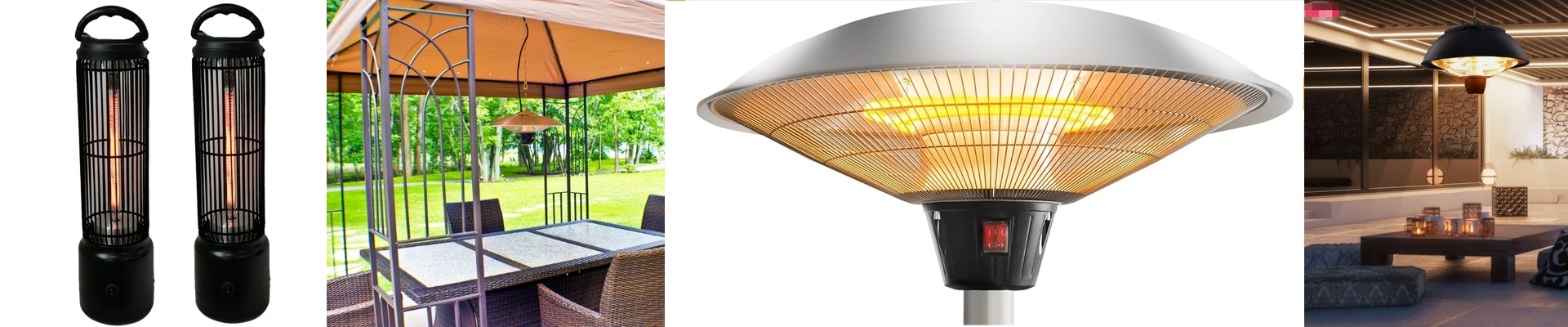
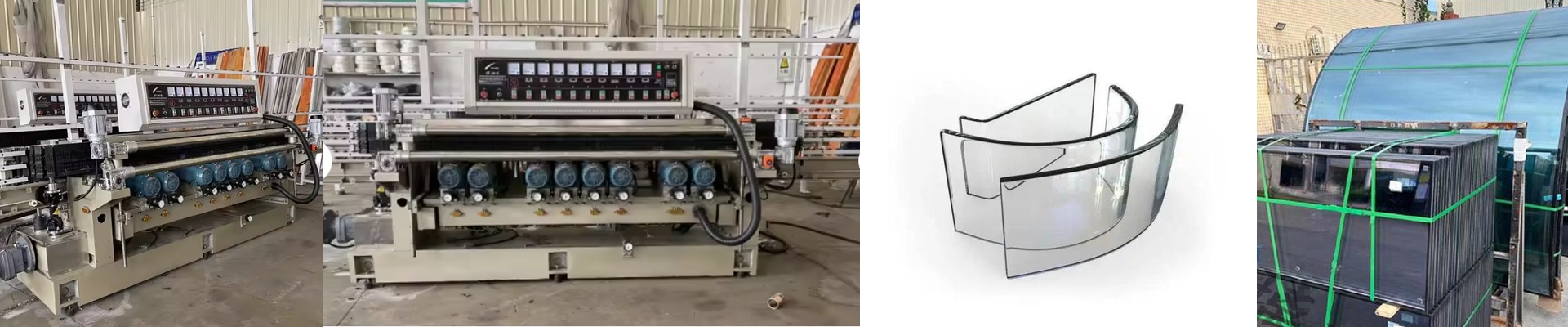
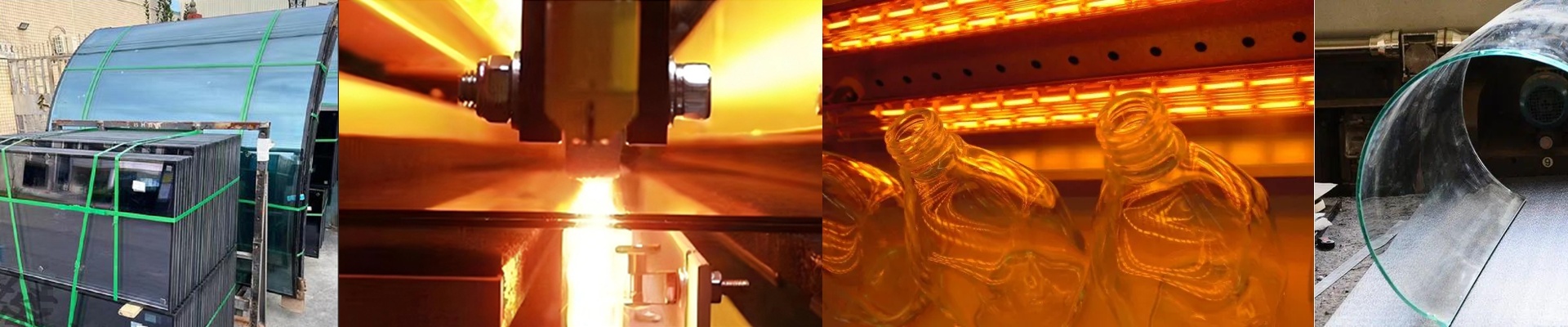
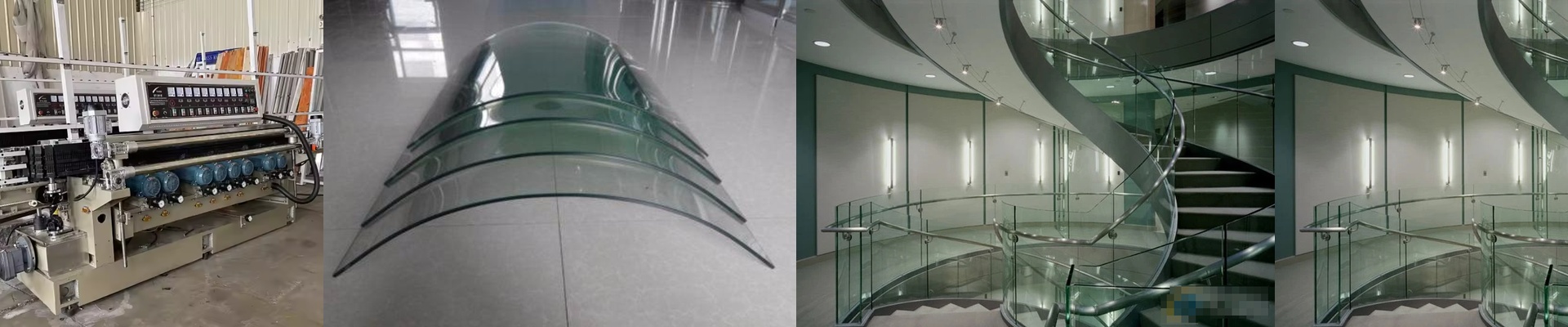
When you’re trying to fit high-performance IR lamps into a mobile repair bracket, you’re basically fighting a war against space. It’s a totally different ballgame than using a big industrial oven. In a shop, you have room to breathe. In a mobile bracket? You don’t. You need to blast the glass with enough heat to get it to bend, but you have to do it without melting the very tool holding the glass. It’s a tightrope walk. Getting the heat where it actually belongs To hit those softening temperatures in such a tiny setup, we rely on reflectors. I’m talking high-grade gold or aluminum coatings. These don’t just “bounce” light around. They focus the IR radiation right onto the glass, stopping the heat from leaking into the bracket frame. By tightening that beam, you can actually use a lower-wattage lamp and still hit your target temperature. That’s a huge win because it stops your mobile power supply from working overtime. Picking your parts (and the voltage headache) We usually go with short-wave IR elements. Why? Because they punch through glass way better than long-wave radiation does. But here’s the thing: voltage drop is a nightmare in mobile units. If your power source is weak, you can’t just pick any lamp. You need one with a resistance curve that actually matches your voltage, or you’ll end up with “lukewarm” glass that won’t budge. And please, don’t skimp on the wiring. You need high-temp connectors. If you use cheap stuff, the constant heating and cooling will fry them in no time. We stick with quartz-glass envelopes to handle those sudden heat spikes. The hidden trap: Heat Soak Shrinking everything down comes with a price: heat soak. Since the reflector is pushing all that energy forward, the back of the lamp assembly still gets incredibly hot. If you pack everything too tight, you’re asking for thermal runaway. You’ve got to be smart about your cooling fans and heat sinks. If the air inside the bracket can’t move, your lamps are going to burn out way faster than they should. It’s all about keeping the ambient temp in check so your gear actually lasts.