Don’t Melt Your Ceiling: A Guide to Infrared Heater Clearance
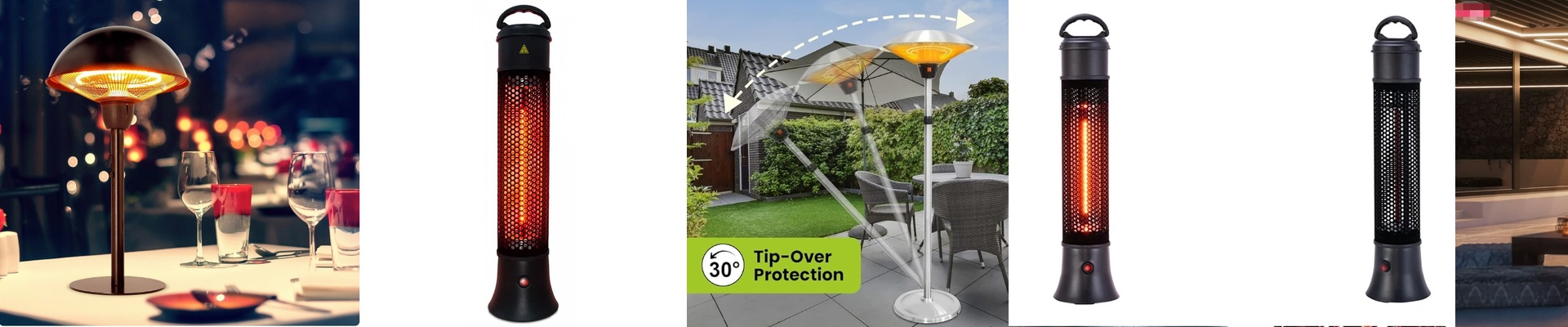
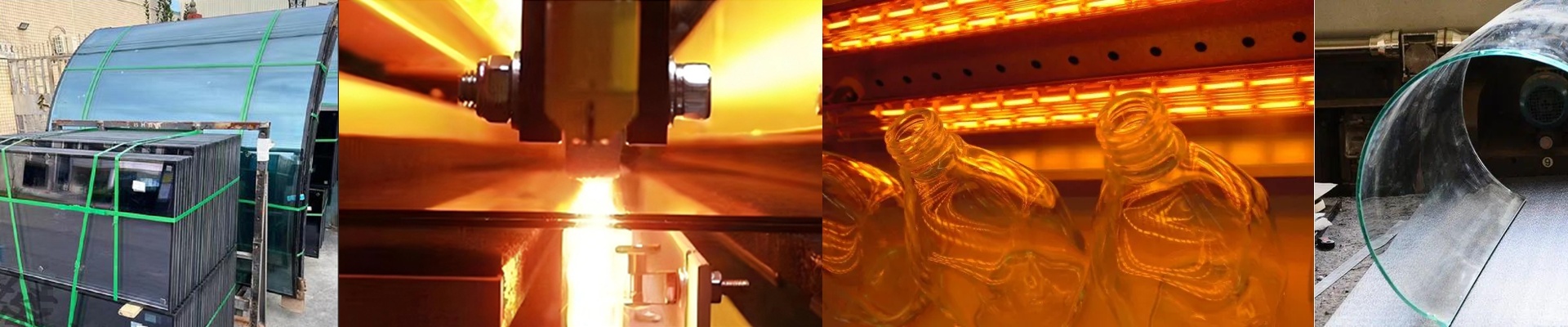
If you’re putting infrared heaters into a busy spot—like a changing room—you can’t just slap them on the ceiling and call it a day. You need some breathing room. Here’s why: infrared doesn’t work like those old-school heaters that just warm up the air. These lamps shoot energy straight at whatever they’re pointing at. If they’re too close to the ceiling, you’re basically creating a heat trap. The “Heat Trap” Headache I’ve seen this happen too many times. Someone mounts a lamp flush against a low ceiling, and suddenly the PVC panels start to warp or the acoustic tiles turn a nasty shade of brown. It’s not pretty. The ceiling absorbs all that energy and then bounces it right back at the heater. Not only does this ruin your ceiling, but it kills your gear. The internal electronics get cooked, and your expensive heater burns out way sooner than it should. You need a gap to let the air move. How much space do you actually need? It really comes down to what kind of lamp you’re using. If you’re going with**shortwave lamps**, you’re dealing with some serious power. They’re great for warming up a freezing room in seconds, but they hit hard. Give these at least 500mm to 1000mm of clearance. Don’t skimp here. Longwave panelsare a bit gentler. You can get away with a tighter fit, but you still want a gap. Otherwise, your ceiling becomes a giant, accidental radiator. It’s a waste of electricity and just plain inefficient. Finding the Sweet Spot It’s a bit of a balancing act. Mount them low, and the people below feel the warmth instantly. But you risk damaging the building. Mount them high, and you cover more ground, but you’ll need more power to make sure it actually feels warm by the time the heat reaches the floor. And a quick heads-up: if your ceiling is made of anything combustible, don’t take chances. Throw in a heat shield or push the heater even further down to keep things safe and follow the fire codes.