
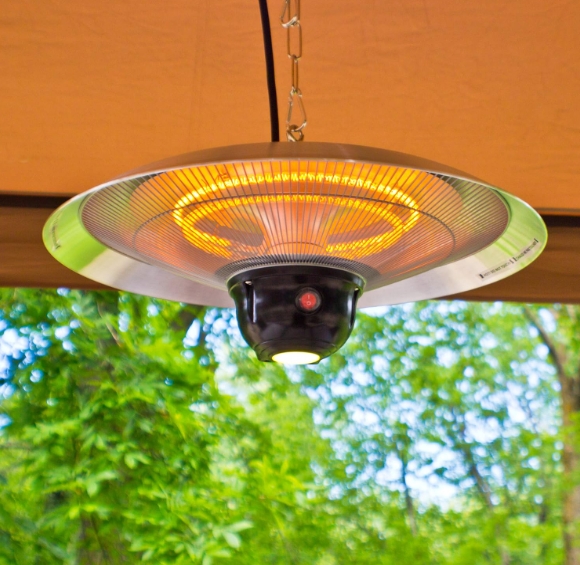
Keeping the Rain Out of Your Outdoor Heaters
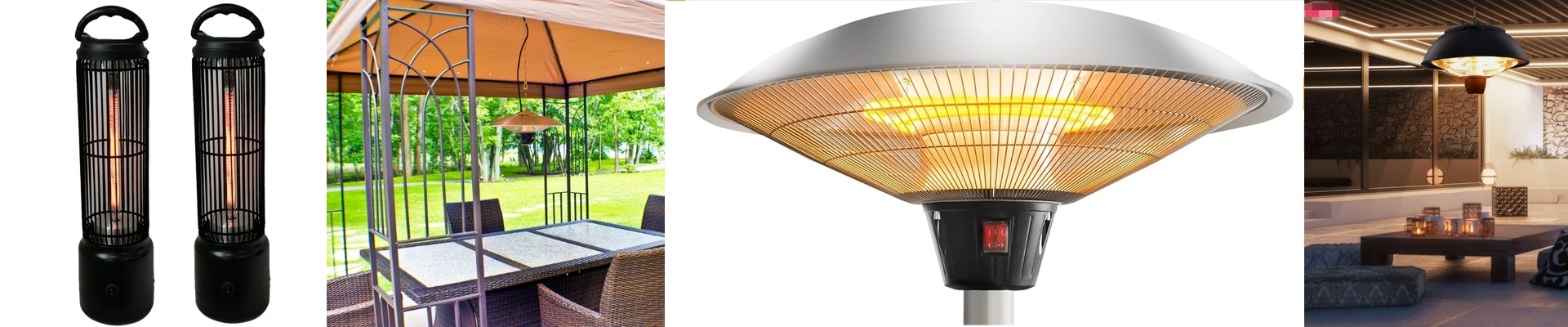
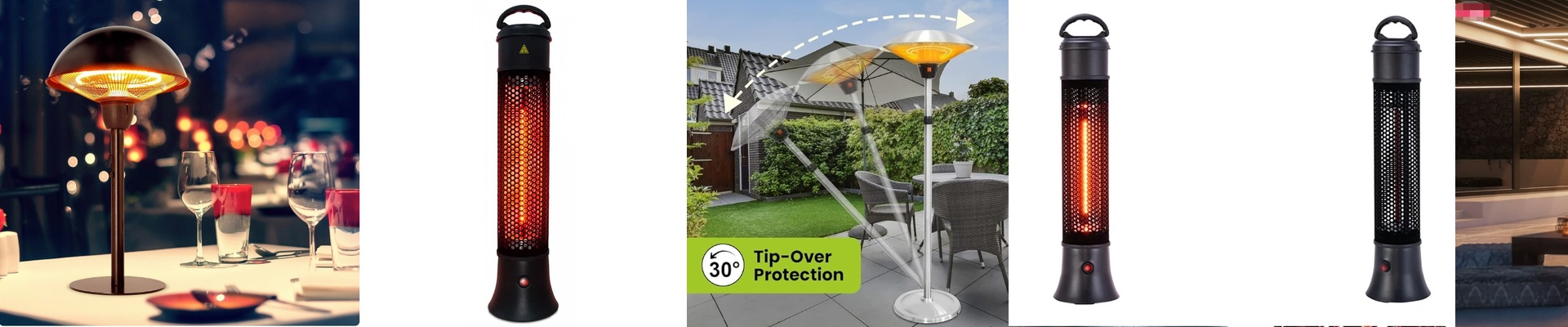
When you put a heater outside, you’re basically inviting two things to ruin your day: moisture and thermal shock. Most of the time, these heaters fail because water or fog sneaks into the electrical terminals. It’s a recipe for disaster. That’s why we stick to an IP65 rating. Now, that sounds like a boring technical spec, but here is what it actually means for you. We use heavy-duty silicone gaskets and sealed cable entries to make sure the inside stays bone-dry. Why bother? Because if a little bit of splash water bridges the gap between your power leads and the heating element, you’ve got a problem. Humidity creates a path for electricity to go where it shouldn’t.**Boom.**Short circuit. Your unit is fried. Then there’s the fog. Outdoor temperatures swing wildly. When a heater clicks off and cools down, moisture loves to settle right on the quartz tube. If that tube is cold and a stray drop of water hits it? The glass can snap. It’s frustrating and expensive. We built in specific vents and drainage paths so the internals stay dry and the heating element stays isolated from the damp air. There is a catch, though. When you seal something this tight to keep the rain out, you lose some of that natural airflow. Because the wind can’t get inside, the housing gets hotter than it would on an open-frame model. Just keep this in mind: make sure whatever you’re mounting the heater to can handle that heat.Don’tslap these directly against something flammable without a thermal break. At the end of the day, it’s about peace of mind. By keeping the electronics away from the elements, your lamps last a lot longer. You spend less time climbing ladders to swap out blown tubes and more time actually enjoying the warmth. It’s a simple mechanical fix for a messy environmental problem. Just wire it up, mount it, and let the seals do the dirty work.