
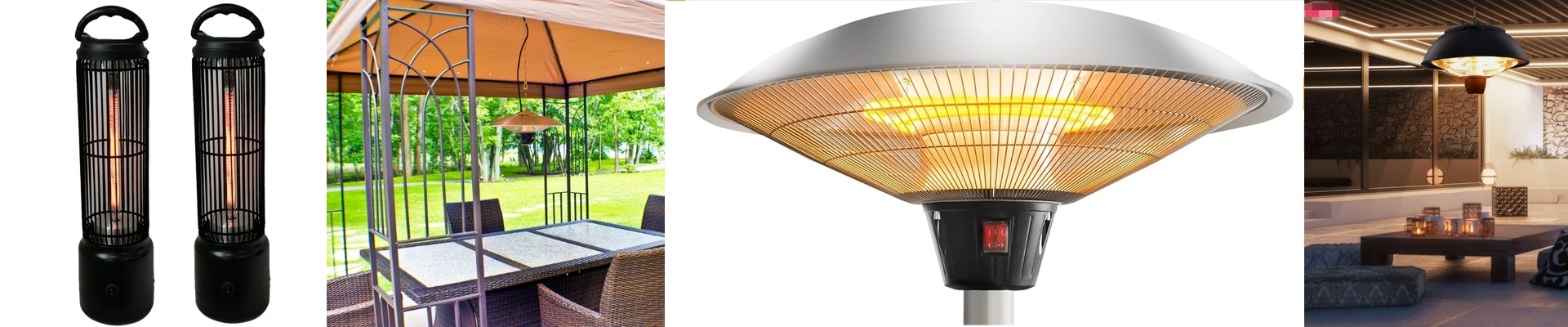
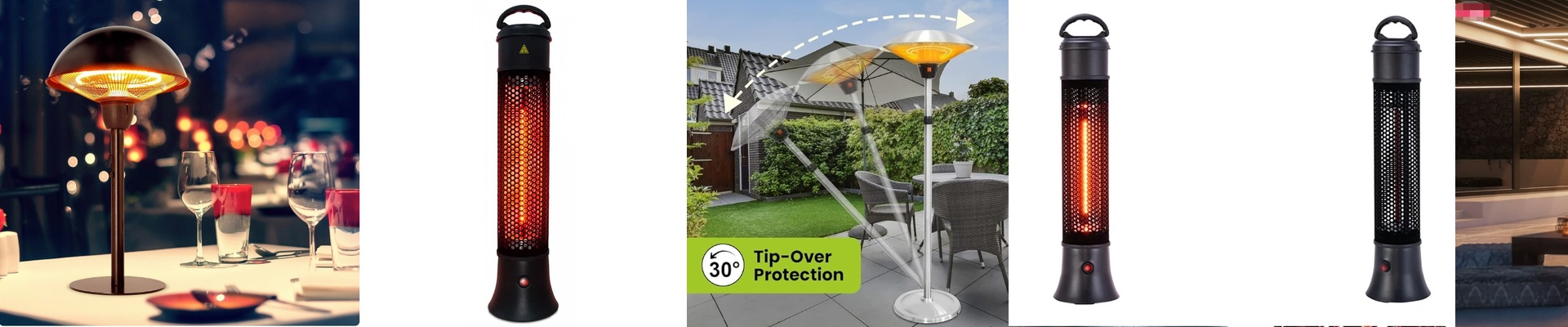
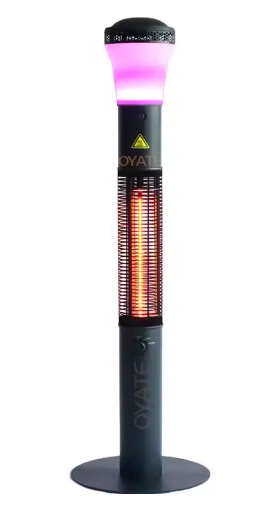
Why Your Outdoor Heater Actually Dies (And How to Stop It)
If you’ve ever had a waterproof infrared heater for your pergola just… stop working… the culprit probably wasn’t the heating element. It’s almost always the lead-wire seal. That’s just the fancy way of saying the spot where the power cords enter the heater’s body. It sounds like a small detail, but it’s where the real battle happens.
The Heat Struggle
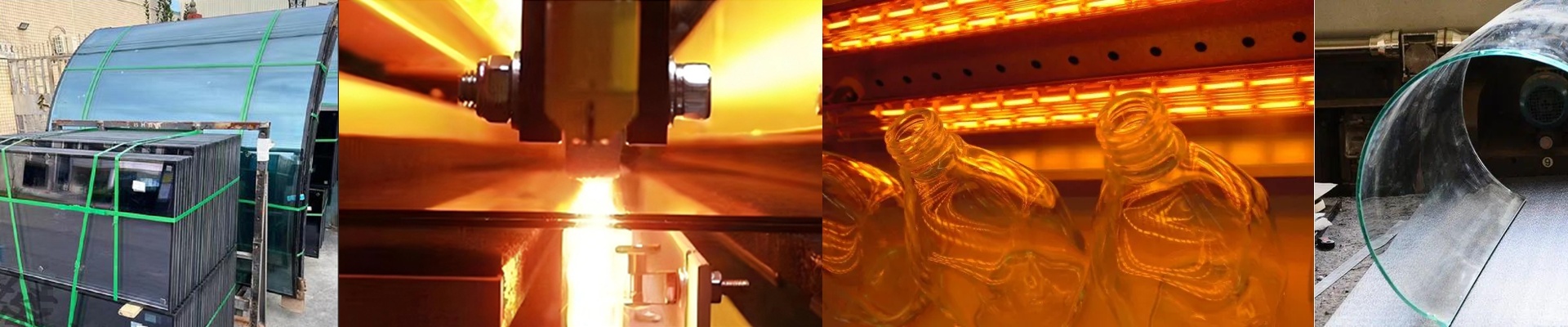
Here is the thing about shortwave infrared lamps: they get hot. Then they cool down. Then they get hot again. This constant back-and-forth makes materials expand and shrink. If you use cheap gaskets, they eventually crack. It starts as a tiny micro-crack—something you’d never even see—but that’s all a bit of rain or humidity needs to get inside. Once that moisture hits the high-voltage wires, it’s game over. You get a short circuit, and your heater becomes an expensive piece of scrap metal. We don’t use the standard stuff. We stick to high-temperature silicone or ceramic-to-metal seals. Why? Because they stay flexible and tight when PVC or rubber would just melt or burn away.
It’s a Safety Issue, Plain and Simple
A sloppy seal isn’t just about the heater breaking; it’s about safety. When moisture leaks in, it can create a path for electricity to jump from the live wire to the metal frame of the heater. If your unit is mounted to a metal pergola, that’s a huge risk. Getting the seal right means the insulation stays put, no matter how humid it gets outside.
The Balancing Act
Now, you might think, “Why not just glue the whole thing shut?” Actually, that’s a bad idea. If you seal it too tight, you trap condensation inside. It’s like a tiny sauna in there, and the internal parts will just rust and corrode from the inside out. That’s exactly why those budget heaters usually die after one winter. The trick is using breathable, hydrophobic membranes. Think of it like a Gore-Tex jacket for your heater. It lets the vapor escape so the unit can breathe, but it blocks liquid water from getting in. It’s a delicate balance, but it’s the only way to make sure your heater actually lasts.