Keeping Your Heaters Safe When Things Get Wet
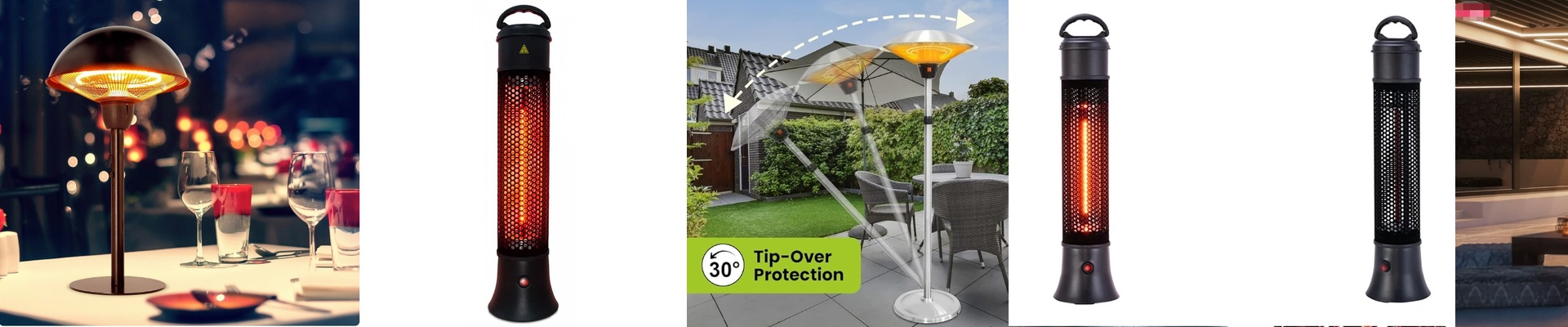
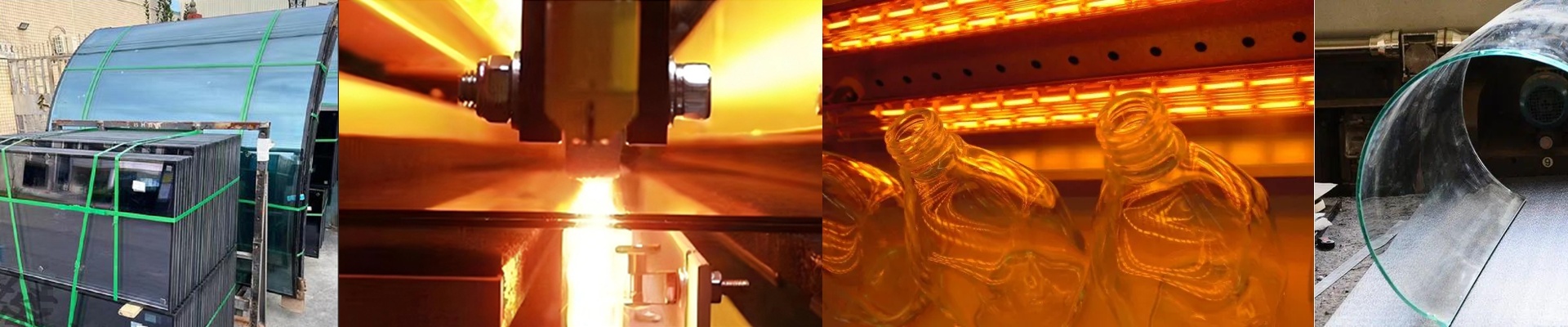
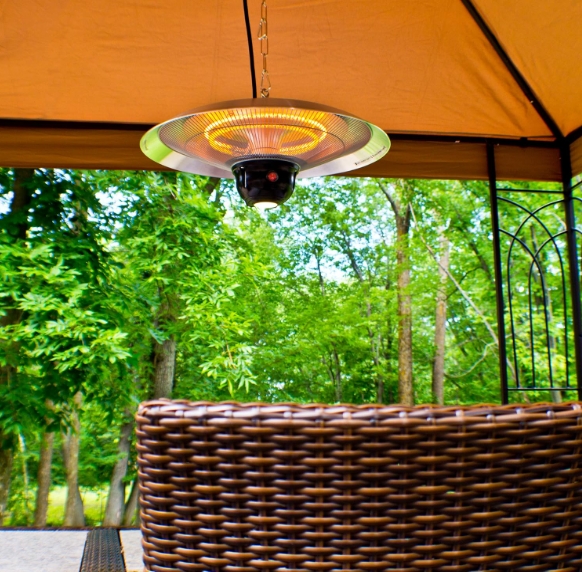
If you’ve ever put a heater in a bathroom or an outdoor spot, you know the two things that usually kill them: water getting where it shouldn’t and the shock of sudden temperature changes. We build our IP66 infrared heaters specifically so you don’t have to worry about your system crashing the moment it gets damp. Let’s talk about the IP66 stuff. Basically, it means the housing is totally sealed against dust and can handle a direct blast of water. Think about a steamy shower. That mist and spray love to find their way into electrical contacts and bridge them. We seal the chassis tight so moisture never touches the wiring. It’s not just about stopping a quick short circuit, either. It stops those connectors from rusting and oxidizing over time, which is usually what causes your voltage to drop and the whole thing to burn out way too early. Then there’s the quartz tubing. Here is the problem: standard quartz tubes can literally shatter if a cold drop of water hits them while they’re glowing hot. It’s called thermal shock, and it’s a nightmare. To fix that, we use explosion-proof quartz. These tubes are built to handle those wild temperature swings without cracking. And if one does happen to fail? The “explosion-proof” part means the glass stays contained. No shards raining down on whoever is standing underneath. A few things to keep in mind for the install. We use high-density infrared emitters because they hit you with heat instantly. It feels great, but there’s a catch. Because those tubes get so hot, you have to be smart about your brackets and guards. If you mount the heater too close to plastic fixtures or anything that can catch fire, the radiant heat will warp them. Just give it some breathing room so the housing doesn’t overheat. And please, for the love of everything, wire it into a GFCI-protected circuit. Even with the best IP66 seal in the world, the real safety comes from having a hardware setup and a trip switch that actually work together.