Making Bathroom Mirror Heaters That Actually Last
Let’s be honest: bathrooms are a nightmare for electronics. Between the steam, the humidity, and the occasional splash of water, most heating elements just give up. They rust, they short out, and they die. We wanted to build something that doesn’t just work for a month, but actually lasts. To do that, we had to tackle two big headaches: moisture getting inside the guts of the machine and that annoying fog on the glass.
No more wiping the mirror
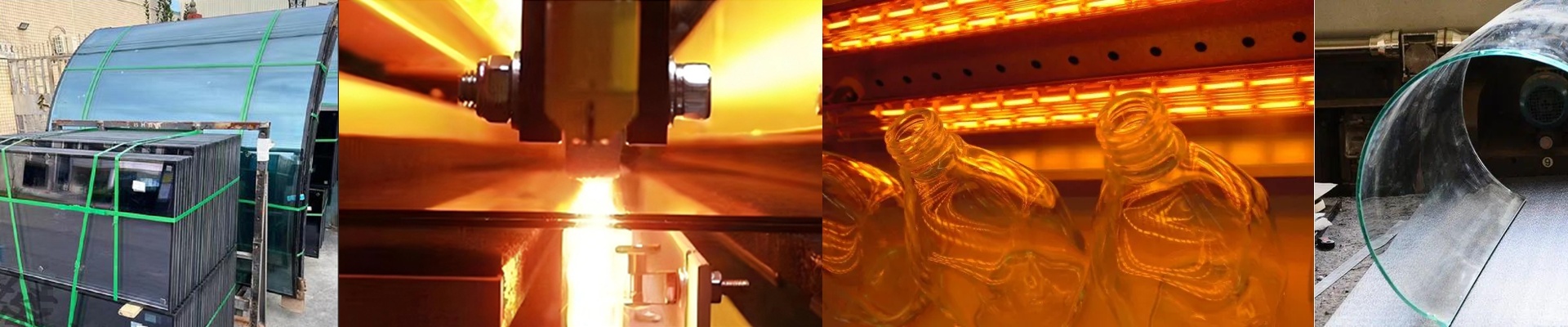
We’ve all been there—stepping out of a hot shower only to find the mirror is a complete blur. You end up wiping it with a towel, which just leaves streaks everywhere. Our fix? We use shortwave infrared emitters. Basically, they warm the glass up just enough so that the moisture in the air can’t stick to it. It keeps the temperature steady across the back of the mirror, so the fog vanishes almost instantly. It’s a small thing, but it makes your morning routine feel a lot smoother.
Keeping the water out
Water and electricity are a dangerous mix. To keep things safe and prevent the unit from burning out, we don’t take any chances. We seal every connection point and the ends of the quartz tubes with industrial-grade gaskets and high-temp silicone. This means if a few splashes hit the unit, it’s not going to trigger a short circuit. And here’s a pro tip: we use a reinforced quartz envelope for the heating element. Why? Because if a cold drop of water hits a scorching hot tube, normal glass would just crack. Quartz handles that “thermal shock” without breaking a sweat. We even coated the internal wiring so the minerals in your tap water don’t eat away at the metal over time.
One thing to watch out for
There is a trade-off. Because these heaters get up to temperature so quickly, they put a lot of heat on the glue holding the mirror to the wall. If you use cheap, low-temp adhesives, the mirror might warp or even start to peel away because of the constant heating and cooling. You’ve got to make sure you’re using the right mounting brackets and high-heat glue. At the end of the day, we’re obsessed with the details. By protecting the electrical bits and managing the heat, we’ve built a heater that can actually survive the damp, steamy reality of a real bathroom.