
How to Pick the Right Wattage for Your Bathroom Heater
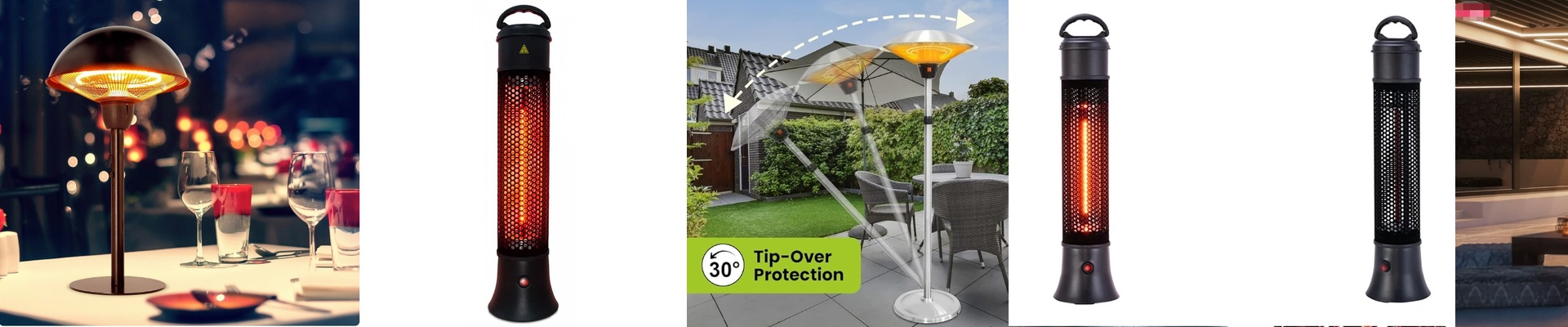
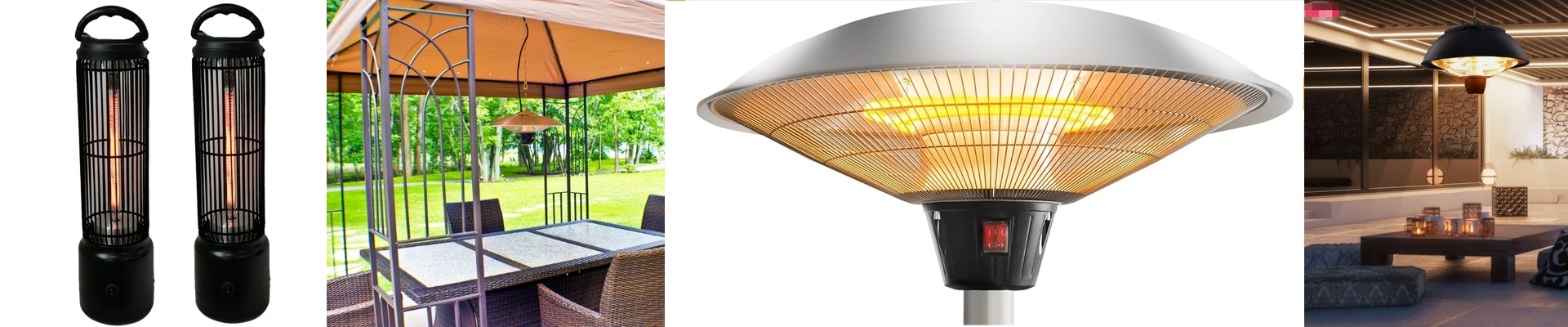
When you’re picking out an infrared wall heater, your first instinct might be to just go for the most powerful one on the shelf. But here’s the thing: bigger isn’t always better. It’s really about finding that sweet spot where you aren’t wasting money on your electric bill, but you’re also not shivering while you brush your teeth. Getting the power right Think about the size of your space. If you’ve just got a tiny powder room (under 4m²), something in the 400W to 600W range usually does the trick. For those middle-of-the-road bathrooms (5-10m²), you’re looking at 800W to 1200W. And if you’ve got a massive master bath with high ceilings? You’ll probably want 1500W or more. If you go way too high, the heater hits the temperature limit too fast. It’ll keep clicking on and off, which eventually wears out the parts. On the flip side, if you go too low, the lamp never actually gets hot enough to make you feel cozy. Why it feels different These heaters use shortwave radiation. Now, that sounds technical, but all it means is that they don’t waste time warming up the air in the room. Instead, the heat hits you—and the walls—directly. Because of that, where you put the heater is everything. You want it right where you actually spend your time, like next to the shower or the vanity. We use quartz glass for the tubes so the heat shoots straight out instead of getting trapped inside the lamp. It’s almost instant. You flip a switch, and boom—warmth. A few things to watch out for High-wattage lamps are great for that “instant thaw” feeling, but they can be a bit uneven. You might feel like you’re standing in the sun right in front of the heater, while the far corner of the room stays chilly. Also, just a heads-up on the electrical side: make sure your wiring can handle the load. If the voltage drops, the lamp won’t last nearly as long. And if you’re installing a few of these in one big room, try to stagger the power phases. It’s a simple way to make sure you don’t trip your breaker the second you turn the heat on.