Mirror Heater Bathroom: The Power of a 400V Halogen Tube
Here’s the thing about bathroom mirror heaters: you need heat, and you need it fast. No fuss, no overthinking. Just pure, focused warmth right where you need it. That’s why we built ours around a 400V halogen tube. It’s the kind of simple, powerful solution that gets the job done without turning your bathroom into a science experiment.
The Power Behind the Warmth
So, how does it work? We lean on a 400V power supply. This lets us pack a serious punch—think around 2500 watts—into a tube that’s only about 300mm long. The payoff? A ton of heat density right on the mirror surface. And the best part? You don’t have to run thick, expensive low-voltage wiring. It simplifies the whole install from the junction box. But, and this is important, that power demands respect. These lamps draw a lot of current, so you need to make sure your circuit protection is up to the task. A properly rated contactor and overcurrent protection are a must. Otherwise, you risk burning the lamp out fast.
Built to Last, Inside and Out
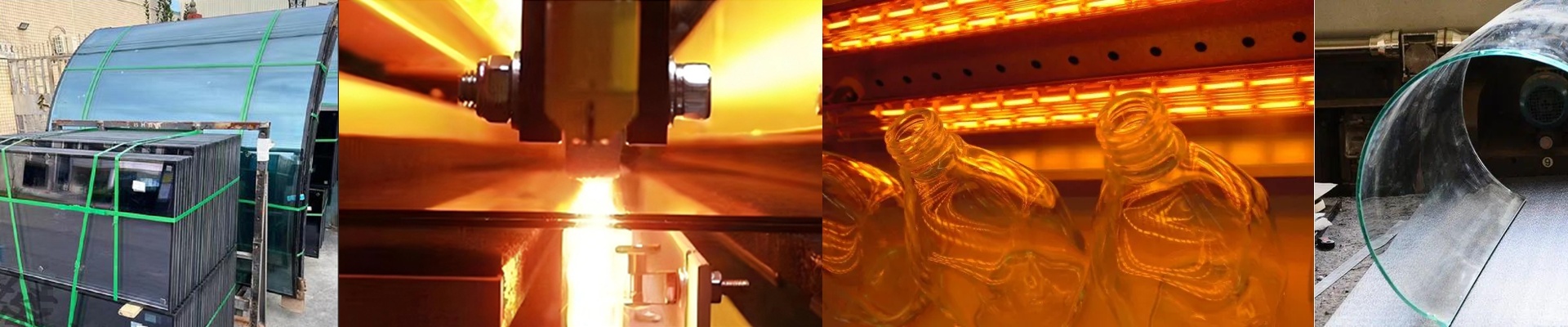
At the heart of it all is a halogen element, sealed inside a tough quartz envelope. Quartz is a champ when it comes to handling the shock of turning on and off again and again. It also stays clear, so no cloudy, weak performance over time. The halogen cycle does its part, too, keeping the filament stable. That means you get consistent heat output for the life of the lamp. And for the base? We use an R7s. It’s the practical choice. It holds the lamp securely in its spot, gives you a solid electrical connection, and holds up to the little jolts and vibrations of being mounted in a frame. It just works.
What It Feels Like in Your Bathroom
The real magic is what it does for you. The whole point is to clear the mirror of condensation before it even has a chance to set in. A 400V, 2500W halogen tube heats up fast. Like, really fast. So your mirror stays clear, and you don’t have to spend your morning wiping it down. Because the tube is so compact, it tucks away neatly behind the glass. It doesn’t change the look of your mirror at all. Just one note: that high heat density means the enclosure needs room to breathe. Make sure there’s proper ventilation and thermal spacing. Without it, heat can reflect and build up, which will shorten the life of the components. Give it space, and it’ll take care of you.