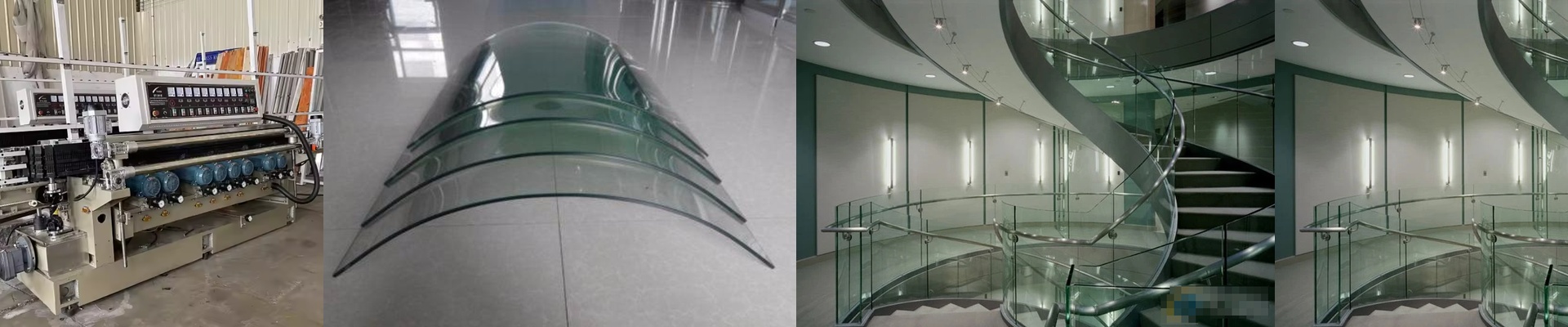
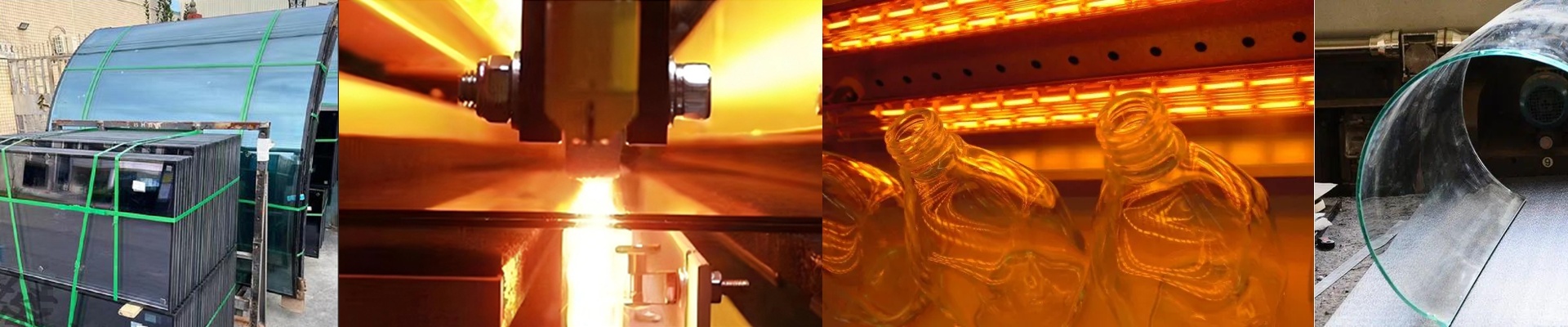
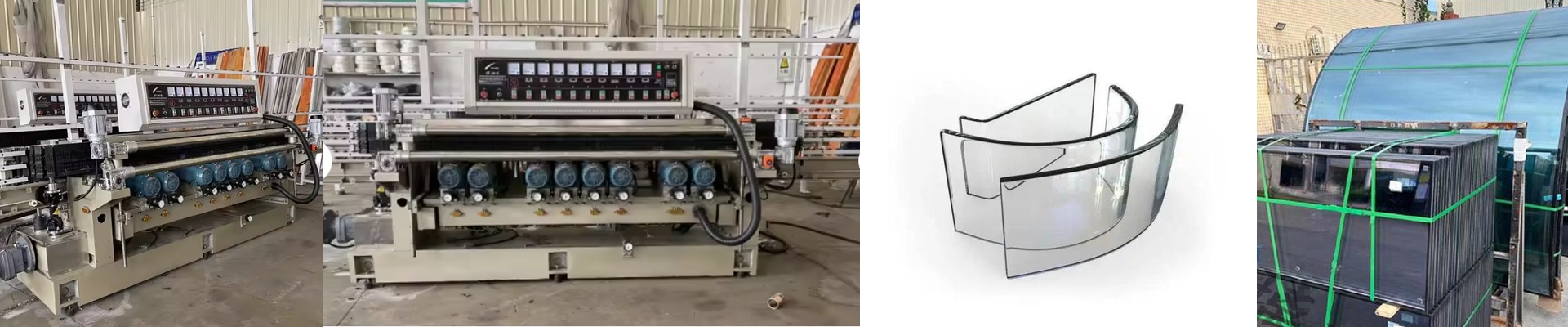
Out on the line, the mold temperature has to follow the process curve—not fight it. When a press or bending station leans on convection to chase heat, you end up with lag, hot spots, and thermal stress that shows up as optical distortion or edge cracks. We built our infrared radiators for glass molds to give control back to the operator: heat that lands where it’s needed, exactly when it’s needed.
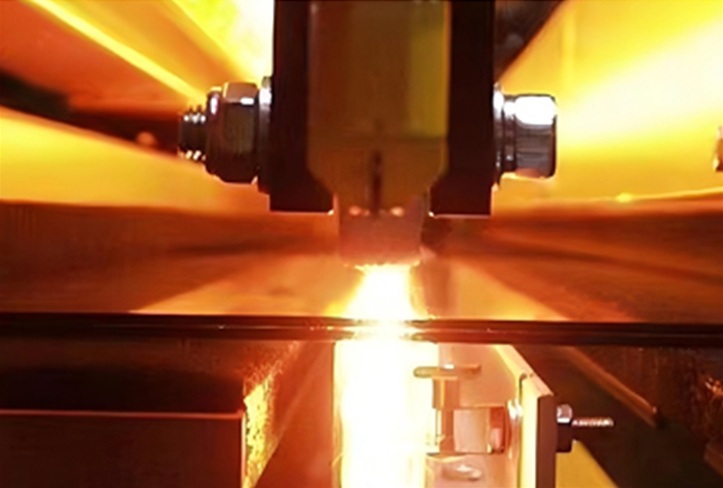
The core is short-wave infrared, delivered through quartz emitters that come on when the call comes in. Response is fast—full power in seconds, and a quick ramp-down the moment the cycle changes. That gives you a stable thermal field across the mold face, which is exactly what you need for uniform sag in bending and predictable chill in tempering. The output is spec’d for industrial duty, with standard voltage options, compact geometries, and terminals that hold up so it drops into existing tooling without a fight.
In tempering and bending cells, that means tighter control over glass temperature at the mold interface, fewer rejects from heat-induced stress, and cycle times that repeat instead of drifting. You also cut energy use because the heater runs on demand, not on a constant burn, and the focused radiation keeps wasted heat out of the surrounding frame. The same idea carries into lamination and coating drying: even, controlled heat that stays inside the process window and respects the substrate.
Installation is straightforward, but alignment is where the details matter. The emitter array has to match the mold contour and emissivity; if it doesn’t, you’ll see banding. Check clearances and cooling paths, and make sure the controller and electrical setup are compatible. You’ll get shorter warm-up times and steadier temperatures, but expect a short commissioning window to dial in power density for your glass thickness and cycle.
อุณหภูมิเพื่อขึ้นรูปแม่พิมพ์ต้องสอดคล้องกับเส้นโค้งกระบวนการ ไม่ใช่ต่อต้านมัน เมื่อเครื่องกดหรือสถานีดัดพึ่งพาการพาความร้อนเพื่อไล่ตามความร้อน จะเกิดความล่าช้า จุดร้อน และความเครียดทางความร้อนซึ่งส่งผลให้เกิดความบิดเบี้ยวทางสายตาหรือรอยแตกร้าวที่ขอบ เราออกแบบเครื่องฉายรังสีอินฟราเรดสำหรับแม่พิมพ์แก้วเพื่อคืนการควบคุมให้กับผู้ปฏิบัติงาน คือความร้อนที่ลงจุดที่ต้องการ และในเวลาที่ต้องการพอดี
แกนหลักคืออินฟราเรดคลื่นสั้น ส่งผ่านตัวปล่อยควอตซ์ที่เปิดทำงานเมื่อมีคำสั่งเข้ามา การตอบสนองรวดเร็ว คือใช้กำลังเต็มที่ภายในไม่กี่วินาที และลดกำลังอย่างรวดเร็วทันทีที่รอบการทำงานเปลี่ยน นั่นทำให้เกิดสนามความร้อนที่เสถียรทั่วผิวแม่พิมพ์ ซึ่งเป็นสิ่งที่จำเป็นสำหรับการยุบตัวที่สม่ำเสมอในกระบวนการดัด และการทำความเย็นที่คาดการณ์ได้ในการเทมเปอร์ กำลังงานออกแบบให้เหมาะกับงานอุตสาหกรรม มีตัวเลือกแรงดันไฟฟ้ามาตรฐาน รูปร่างกะทัดรัด และขั้วต่อที่ทนทาน ทำให้สามารถติดตั้งแทนเครื่องมือเดิมได้โดยไม่เกิดปัญหา
ในเซลล์เทมเปอร์และดัด หมายถึงการควบคุมอุณหภูมิแก้วที่จุดสัมผัสแม่พิมพ์ได้แม่นยำขึ้น ลดการคัดแยกเนื่องจากความเครียดที่เกิดจากความร้อน และรอบเวลาการทำงานที่ซ้ำได้แทนที่จะเปลี่ยนแปลง นอกจากนี้ยังประหยัดพลังงานเพราะฮีตเตอร์ทำงานตามความต้องการ ไม่ใช่จุดความร้อนแบบต่อเนื่อง และรังสีที่เน้นจุดช่วยป้องกันความร้อนเสียเปล่าที่กระจายไปยังกรอบโดยรอบ แนวคิดเดียวกันนี้ใช้ได้กับการลามิเนตและการอบแห้งเคลือบ คือความร้อนที่ควบคุมได้และสม่ำเสมอ อยู่ภายในช่วงกระบวนการ และไม่ส่งผลกระทบต่อวัสดุรองรับ
การติดตั้งทำได้ไม่ซับซ้อน แต่การจัดแนวเป็นจุดที่ต้องใส่ใจรายละเอียด ชุดตัวปล่อยต้องสอดคล้องกับโครงร่างและค่าการแผ่รังสีของแม่พิมพ์ หากไม่ตรงกันจะเกิดลายแถบ ตรวจสอบช่องว่างและเส้นทางระบายความร้อน ให้แน่ใจว่าคอนโทรลเลอร์และระบบไฟฟ้าสามารถทำงานร่วมกันได้ จะช่วยลดเวลาการอุ่นเครื่องและรักษาอุณหภูมิให้คงที่ แต่ควรเผื่อเวลาช่วงสั้นสำหรับการปรับค่าความหนาแน่นพลังงานให้เหมาะสมกับความหนาแก้วและรอบการทำงานของคุณ