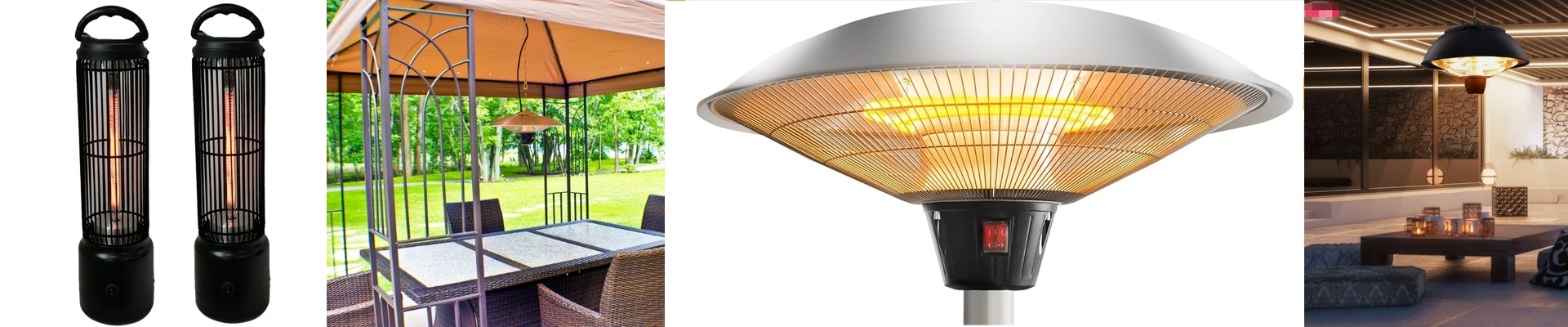
Commercial spaces live with a constant tug-of-war: guests want to be warm, and owners have to keep the energy bill from spiraling. The moment a patio or outdoor dining area turns chilly, the revenue slows to a crawl. Forced-air systems? They just blow heat into the open, where it vanishes. An umbrella heater flips that dynamic.
What matters under the hood
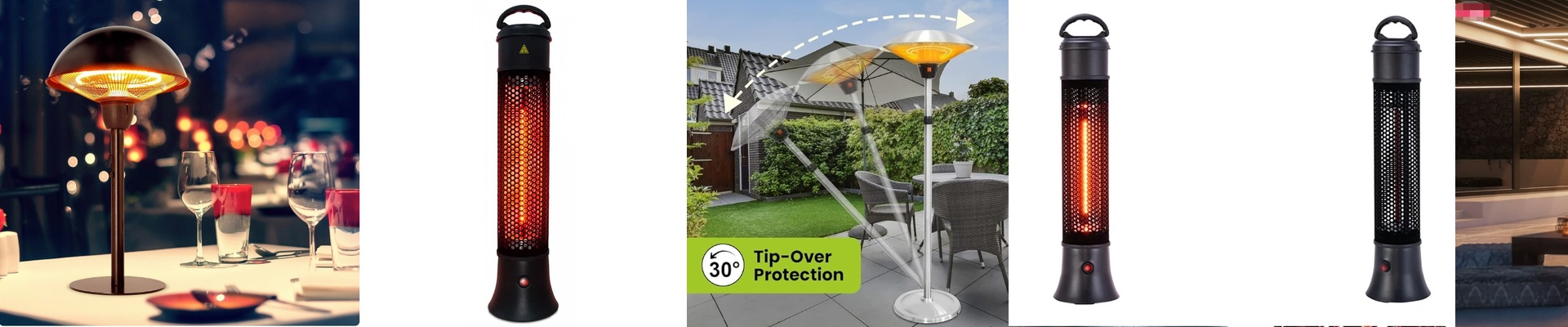
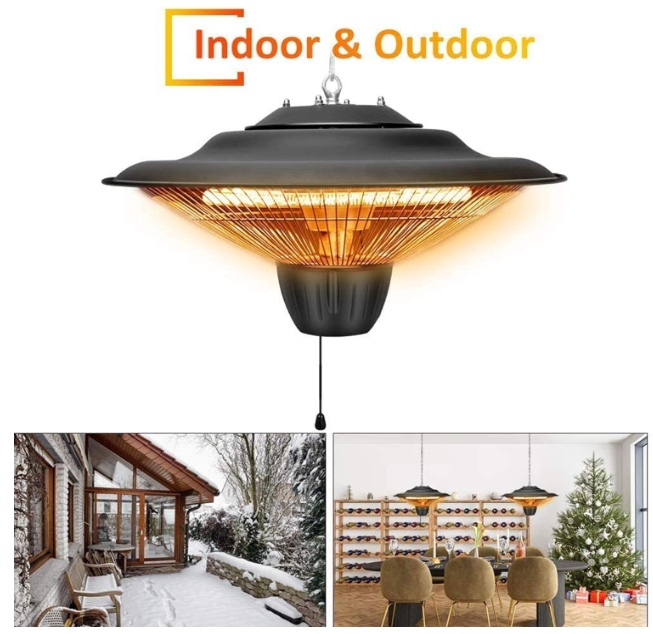
An umbrella heater leans on radiant heat, warming people and surfaces directly instead of chasing the air around. Our electric infrared models use a carbon fiber element, and for good reason—it comes up to temperature fast and holds a steady output. You get warmth the second it’s on, without noisy fans and without the drafty feel. Most run on standard 240V, pulling 1.5–2.5 kW, and they’re built with an IP rating to take whatever the outdoors throws at them. A built-in thermostat keeps the temperature consistent, and tip-over protection adds a practical safety layer you can actually rely on.
Why it lands for commercial properties
Comfort is only part of the story. Infrared heating is efficient because the heat lands where it’s needed, not everywhere. That kind of focus trims overall energy use, which supports sustainability targets and helps on ESG reporting. Then the property side benefits: a comfortable, year-round outdoor experience lifts occupancy, keeps guests seated longer, and strengthens tenant retention. The upshot is a stronger, more resilient asset that holds its value.
The details that make the difference
Infrared umbrella heaters do their best work in sheltered, semi-enclosed spots. They’re targeted, so air movement and ceiling height will affect how they feel. Installation is straightforward, but you’ll need a dedicated circuit and weatherproof connections. Plan for mounting clearance and service access, and size the unit to the footprint—enough output for even coverage without going overboard.