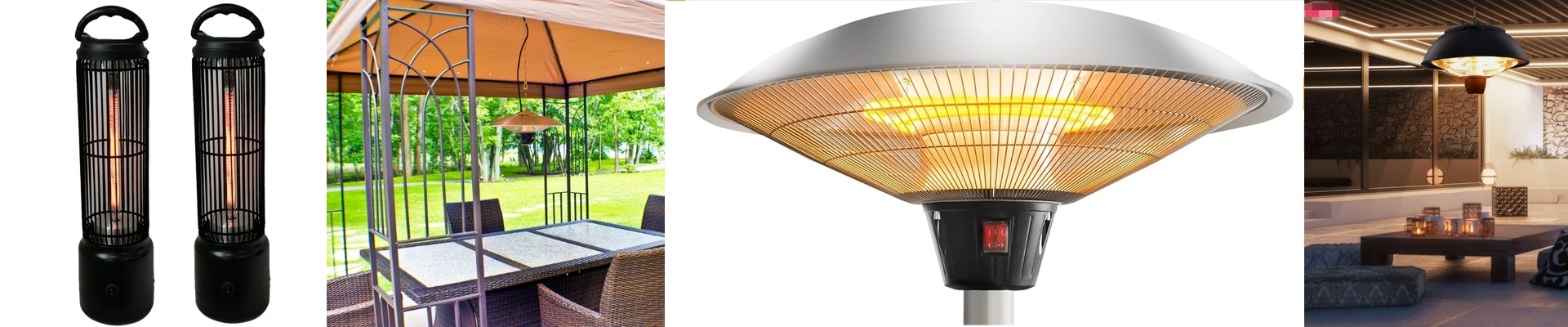
You know the drill—winter evenings aren’t ruined by the cold outside, they’re ruined by the patchy warmth inside. Feet freezing while the ceiling feels toasty. Cranking the thermostat just to get dry air and a shocking bill. With an indoor electric infrared heater, the difference usually comes down to one thing: where you hang it.
What actually matters under the hood
Infrared electric heaters throw radiant heat, warming people and objects directly instead of wasting time heating the air first. In the real world, that means faster comfort and less air movement—so less dust getting kicked around. The element choice makes a difference. Quartz tubes and carbon fiber elements are the workhorses here because they come up to temperature fast and hold steady infrared output. Mounting height changes how much heat actually lands on you. The higher the unit, the more the beam spreads out, and the more energy gets absorbed by walls and ceiling. For most living rooms and bedrooms,a mounting height around 6 to 8 feet (about 1.8 to 2.4 meters) is a solid baseline. In that range, aim the heater slightly down so the warmth lands where people sit and move.
Why this setup pays off
Get the height and angle right, and the infrared electric heater stops being a generic heat source and becomes a targeted comfort tool. You can run the main room temperature a few degrees lower and still feel cozy, which helps keep energy use in line. The payoff is comfort that holds steady—fewer drafty cold spots, fewer temperature swings, and a more consistent feel right where you read, work, or relax.
The practical details you can’t skip
Infrared warmth is directional, so placement matters more than it does with convection heaters. Clearance to combustible materials is non-negotiable, and you want the unit mounted away from high-traffic paths so nobody brushes against it. Most units run on standard household circuits, but double-check the wattage and outlet compatibility before you install. And here’s the part that surprises some folks: infrared heat feels immediate, but it won’t warm a room if no one is in the beam. Pair it with a thermostat or timer if you want control that matches how you actually use the space.
冬の夜に経験していることは、外の寒さで台無しになるのではなく、室内の不均一な暖かさで快適さが損なわれるという点です。床は冷え切っているのに天井だけが暖かく感じる。空気を乾燥させるためにサーモスタットを上げれば、驚くほどの電気料金がかかる。室内用電気赤外線ヒーターの場合、効果の差は通常、設置場所によるものです。
実際に重要なポイント
赤外線電気ヒーターは放射熱を発し、空気を加熱することなく人や物体を直接温めます。これにより、快適になるまでの時間が短縮され、空気の流れも抑えられるため、ほこりの拡散も減少します。ヒーター素子の選択が性能に影響します。クォーツ管やカーボンファイバー素子は、短時間で温度に達し、安定した赤外線出力を維持できるため主流です。 設置高さは、実際に受ける熱量に影響します。機器を高く設置するほど放射ビームは拡散し、壁や天井での熱吸収量が増えます。多くの居間や寝室では、設置高さを約6~8フィート(約1.8~2.4メートル)に設定するのが標準的な基準です。この範囲内でヒーターをわずかに下向きに傾け、人が座り動く場所に暖かさが届くよう調整します。
この設置方法が効果的な理由
設置高さと角度を適切に設定することで、赤外線ヒーターは単なる一般的な熱源から、目的を絞った快適性向上装置に変わります。室温を数度低く設定しても快適さを維持できるため、エネルギー消費の抑制につながります。結果として、ドラフトや冷えたスポットが減少し、温度変動が少なく、読書や作業、リラックス時に一定の快適感を得られるようになります。
忘れてはならない実用的な留意点
赤外線の暖かさは方向性があるため、設置場所は対流式ヒーター以上に重要です。可燃物とのクリアランスは必須事項であり、通行の多い経路から離して設置し、人が触れたりぶつかったりしない位置を選ぶ必要があります。ほとんどの機器は一般家庭用回路で動作しますが、設置前に定格ワット数とコンセントの適合性を必ず確認してください。 さらに意外に思われるかもしれませんが、赤外線暖房は即効性があるように感じられますが、ビーム内に人がいなければ部屋全体を暖めることはできません。使用状況に合わせてサーモスタットやタイマーと組み合わせることが推奨されます。